Reef Tank Quarantine Setup: Why Every Reefer Needs One
This post contains affiliate links. As an Amazon Associate, I earn from qualifying purchases at no extra cost to you.
Skipping quarantine is one of the most expensive mistakes a reefer can make. A single fish with ich, velvet, or flukes can wipe out hundreds of dollars of livestock in days. A quarantine tank (QT) gives you a controlled space to observe new arrivals, treat problems before they enter your display, and avoid introducing pests that are nearly impossible to remove once established.
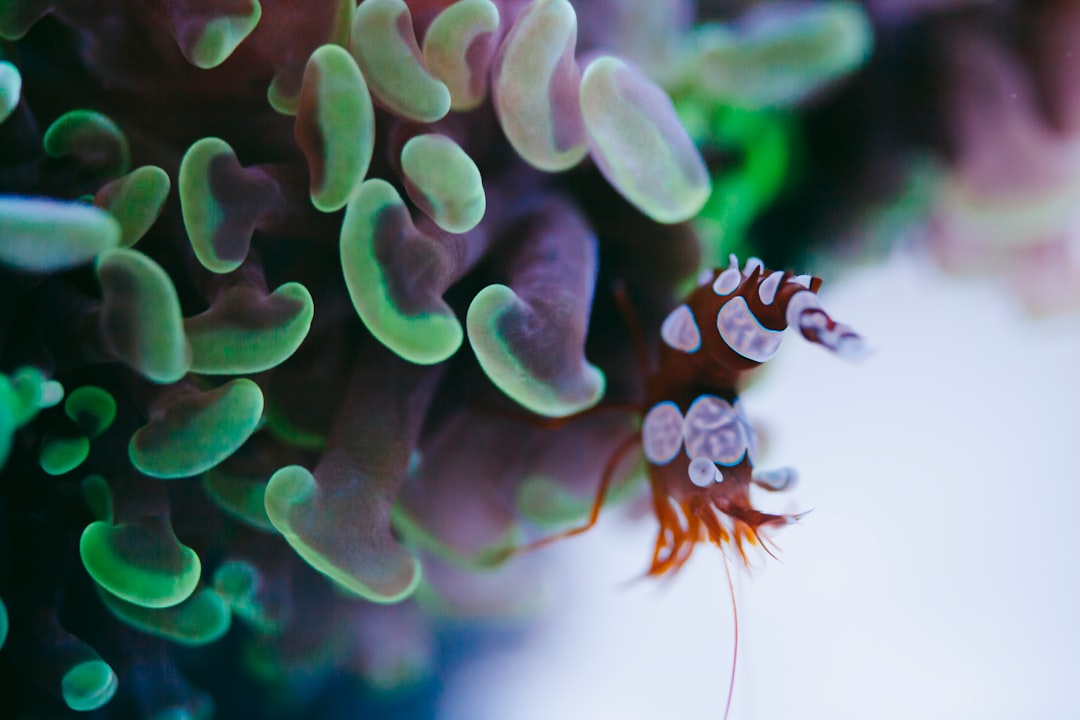
Photo by Shaun Lombard on Unsplash
This guide covers everything you need to build and run a reef quarantine tank: gear, setup, treatment protocols, and how long each type of livestock should spend in QT before going into your display.
Why a Quarantine Tank Is Non-Negotiable for Reef Keepers
Most fish you buy at a local fish store or from an online vendor have been under some degree of stress. They have passed through collection, shipping, and holding tanks that may house dozens of other fish from different origins. Pathogens like Cryptocaryon irritans (ich), Amyloodinium ocellatum (velvet), Brooklynella hostilis (clownfish disease), and various flukes travel with fish even when no visible symptoms are present.
In a reef display tank, you cannot safely use most effective treatments. Copper, formalin, and many other antiparasitic medications are lethal to invertebrates and harmful to beneficial bacteria. Once ich or velvet is established in a tank with live rock and corals, your only option is the tank transfer method or a complete fallow period of at least 72 days, during which your display runs fishless. That means removing every fish, treating them elsewhere, and waiting.
In our experience working with reefers, the most common refrain after a crash is: “I thought the fish looked healthy.” Velvet in particular progresses so rapidly that fish can go from normal-looking to dead within 48-72 hours. A quarantine tank costs less than one emergency coral replacement, let alone a full livestock wipe.
The quarantine tank is not optional equipment for serious reef keeping. It is the most cost-effective piece of gear you will own.
What Equipment You Need for a Quarantine Tank
A quarantine tank does not need to be elaborate. It needs to be functional, easy to clean, and chemically flexible so you can administer medication when needed.
Tank Size and Container
A 10-20 gallon tank is the standard for most hobbyists. Smaller tanks are harder to maintain stable parameters in, while larger tanks use more medication and are harder to manage. A bare-bottom tank is strongly preferred because parasites and pathogens can complete their life cycle in substrate, making treatment less effective. Bare bottom also makes detritus visible and easy to siphon.
The Marina LED Aquarium Kit, 10 Gallon is a solid entry-level choice. It includes a basic clip-on filter, LED hood, and thermometer, which gets you set up quickly without additional purchases for the enclosure itself.
Avoid using your QT for anything else. Cross-contamination is a real risk. Keep it dedicated.
Filtration
The goal in a QT is biological filtration without anything copper or medication can damage. A hang-on-back filter with a sponge insert, or a standalone sponge filter, works well. Keep a mature sponge filter running in your display sump at all times so you always have a cycled filter ready to seed your QT.
The NICREW Slim Aquarium Filter is a compact HOB that works well in smaller QT tanks. It runs quietly, and the cartridge can be swapped for a sponge insert to avoid disrupting your biofilter when you add medication.
Do not use live rock in your QT. It will absorb copper and become permanently toxic to invertebrates. Use PVC pipes, plastic containers, or artificial hides instead. Fish need hiding spots, especially under stress, but nothing that will sequester treatment chemicals.
UV Sterilizer (Optional but Recommended)
A UV sterilizer helps reduce free-floating pathogens in the water column during observation phases before treatment begins. It is not a substitute for medication when treating active infections, but it is a useful prophylactic layer. The Coralife Turbo-Twist UV Sterilizer is well-regarded in the hobby for its build quality and effectiveness at the flow rates appropriate for small QT setups.
Heater and Thermometer
Match the temperature to what your display runs, typically 77-79°F (25-26.1°C). Thermal stress suppresses immune response and makes fish more susceptible to infection. A reliable digital thermometer is worth the few dollars it costs.
Lighting
Minimal lighting is fine. A standard clip-on LED at low intensity keeps the fish visible without stressing them. High-intensity reef lighting is unnecessary and can increase algae growth and stress.
How to Set Up and Cycle Your Quarantine Tank
The classic frustration with QT is that reefers set it up at the same time they receive new livestock, meaning the tank is uncycled and ammonia spikes kill fish faster than any parasite would.
The solution is to keep your QT cycled and ready at all times, or to set it up well in advance.
Step 1: Fill with saltwater. Use RODI water mixed to the same salinity as your display (typically 1.025-1.026 specific gravity, or 33-35 ppt). Do not use tap water.
Step 2: Add a pre-seeded sponge filter. Move a sponge filter from your display sump directly into the QT. This seeds the tank with established nitrifying bacteria (primarily Nitrosomonas and Nitrospira species) and jumps the nitrogen cycle.
Step 3: Set temperature and confirm parameters. Ammonia 0 ppm, nitrite 0 ppm, nitrate ideally under 20 ppm. If you cannot confirm 0/0/0 before livestock goes in, add a dose of Seachem Prime and plan for daily water changes while it finishes cycling.
Step 4: Add hides. Two or three pieces of PVC pipe give fish somewhere to retreat. This reduces the chronic stress that comes from having no cover in a bare-bottom tank.
Step 5: Dim the environment. Cover three sides of the tank with dark paper or a towel for the first few days. New arrivals are stressed, and reduced visual exposure helps them settle.
In our experience, a pre-seeded sponge filter brought straight from a healthy display sump can hold a full bioload in a QT without ammonia spikes. Test daily for the first week regardless.
Quarantine Protocols by Livestock Type
Not all livestock needs the same quarantine duration or treatment approach. The following are standard protocols used in the hobby, aligned with what parasitologists and experienced marine fish keepers recommend.
Fish: 4-6 Week Minimum
The minimum quarantine duration for fish is 4 weeks, with 6 weeks being more conservative and appropriate for species with known ich susceptibility (Acanthurus tangs, for example, are notoriously susceptible).
Prophylactic copper treatment is the most common approach for fish QT. Therapeutic copper levels sit between 0.15-0.20 ppm for chelated copper (such as Seachem Cupramine) and 0.25-0.35 ppm for ionic copper. Maintain therapeutic levels for a minimum of 30 days. This breaks the life cycle of Cryptocaryon irritans and eliminates Amyloodinium at all life stages.
Copper has no effect on flukes. If the fish shows flashing behavior (rubbing against surfaces), consider a praziquantel treatment (such as PraziPro) concurrently or after copper.
Monitor for heavy breathing, loss of appetite, and unusual behavior. Daily observation is not optional; it is the point of quarantine.
Water changes: 20-30% every 2-3 days during treatment, siphoning the bare bottom to remove waste. Redose medication after each water change to maintain therapeutic levels.
Corals: 2-4 Week Observation
Corals do not carry ich or velvet, but they do carry pests: Acropora-eating flatworms (AEFW), red planaria flatworms, Montipora-eating nudibranchs, and various snail species that will damage coral in a display. They may also introduce aiptasia and majano anemones via hitchhiking.
For corals, quarantine is primarily an observation and dip protocol rather than a medication protocol.
Coral dipping should happen before the coral goes into the QT, not just before it enters the display. Use a dedicated coral dip product such as CoralRx or Revive per manufacturer instructions. Dipping kills many surface pests and their eggs.
During quarantine, observe for the following under white or actinic light: small white specks moving on frag plugs or tissue (AEFW or nudibranch eggs), irregular tissue recession, slime production (stress or bacterial infection), and unexpected polyp retraction.
A 2-week observation period catches most visible pest outbreaks. 4 weeks is safer for SPS frags where flatworm damage can be subtle in early stages.
Invertebrates: 2 Week Observation
Snails, urchins, crabs, and shrimp do not tolerate copper, so a QT for inverts must be copper-free. The primary concern with inverts is pest hitchhikers: predatory snails (Pyramidellid snails on tridacnid clams), asterina stars that may or may not be predatory, and the eggs or juveniles of mantis shrimp or aggressive crabs tucked inside a shell.
Observation is the protocol here. Check daily for unexpected additional organisms, waste production that seems disproportionate to the animal’s size (can indicate a hidden hitchhiker), and signs of illness in the invert itself.
Common Quarantine Mistakes and How to Avoid Them
Skipping QT because “the fish looked healthy at the store.” Velvet (Amyloodinium ocellatum) can be present at subclinical levels in a fish for days before becoming visible. By the time you see white dust on the body, the gills are already heavily infested. The fish looked healthy because it was before the stress of transport triggered rapid pathogen proliferation.
Using the same QT equipment on multiple tanks without sterilization. A bucket, net, or siphon used in an infected tank is a vector. Keep dedicated equipment for each system and bleach it between uses.
Underdosing copper. Copper below therapeutic levels applies selection pressure to parasites without eliminating them. This is worse than no copper. Use a reliable test kit designed for the type of copper you are using (chelated vs. ionic) and test every day until stable.
Not removing medication before moving fish back to the display. Run carbon and do several water changes to bring copper to zero before introducing copper-sensitive invertebrates from your QT observation tank. Residual copper introduced to the display can cause subletal harm to coral and inverts.
Running QT into the display sump. Your QT must be a completely separate, isolated system with its own equipment that never touches the display. Shared plumbing defeats the purpose entirely.
Ending quarantine early because the fish seems healthy. The end date is not determined by how the fish looks. It is determined by completing the protocol. A fish can look perfect while carrying subclinical infection. Finish the treatment duration.
Medications to Have on Hand Before You Need Them
The middle of a disease outbreak is not the time to wait for shipping. Stock these before you bring home new livestock:
Copper treatment: Seachem Cupramine (chelated) or Copper Power (ionic). Have a copper test kit matched to whichever form you use.
Praziquantel: PraziPro for flukes. This is reef-safe and can be used in a separate fallow bath if needed.
Methylene blue: Useful as an antifungal and to improve oxygen uptake in stressed or shipping-damaged fish.
Broad-spectrum antibiotic: Kanamycin or doxycycline for secondary bacterial infections, particularly after ulcerations or fin damage.
Formalin/malachite green: For heavy infestations or formalin dips in cases of severe Brooklynella or skin flukes. Use only in dedicated bare-bottom QT with strong aeration. This is an aggressive treatment; follow dosing instructions precisely. Formalin is a hazardous chemical: handle it outdoors or in a well-ventilated space, wear gloves and eye protection, and keep it away from children. Never pour it down a household drain without dilution.
You do not need all of these open and in use simultaneously, but having them on the shelf lets you respond quickly rather than spending 3 days waiting for shipping while a fish deteriorates.
The CORAL Magazine forums and Reef2Reef’s Disease Treatment & Diagnosis subforum are excellent resources for current hobbyist-tested protocols and dosing guidance if you encounter something unfamiliar.
How Long Until the Display Tank Is Safe After a Disease Event
If you have already had an outbreak in your display tank and removed all fish for treatment, the display runs fallow for the duration of the parasite’s free-living survival window. For Cryptocaryon irritans (ich), this is at minimum 72-76 days at 77°F (25°C). Higher temperatures shorten this window slightly; lower temperatures extend it significantly.
During the fallow period, increase tank temperature to 79-80°F if your coral and invertebrate load tolerates it. This accelerates the life cycle of the parasite through its free-swimming tomite stage, which dies if it cannot find a host within a limited window (typically 24-48 hours at warmer temperatures).
Do not reintroduce fish until the fallow period is complete and your QT fish have tested clean for at least 30 days on copper.
For Amyloodinium (velvet), fallow periods are less well-defined because the cyst stage can persist longer. A conservative 8-week fallow at elevated temperature is commonly recommended.
FAQ
Can I use a plastic storage bin instead of a glass tank for QT?
Yes. A dark-colored or translucent plastic storage bin works fine as a quarantine vessel. Make sure it has never had soap or cleaning chemicals in it. The lack of a lid is addressed by keeping water level lower and covering the top with mesh. Sterilize with white vinegar and RODI rinse before first use.
Do I need to run a QT permanently or only when I have new livestock?
You have two options: maintain a low-tech QT running continuously (with a minimal bioload fish like a small damsel or just the cycled sponge filter running in your sump), or break it down between uses. The running option is more convenient but requires ongoing water changes. The break-down option requires you to plan ahead and set up 2-3 weeks before a purchase. Most hobbyists use the second approach, keeping a cycled sponge filter in the sump so the QT can be set up quickly.
What is the tank transfer method and is it as effective as copper?
The tank transfer method (TTM) involves moving fish to a new, clean tank every 72 hours repeatedly, so that all parasites in the tomite stage die before they can reinfect the fish. It is effective against ich and velvet when executed precisely but requires clean equipment, 3-4 separate containers, and very strict timing. It does not treat internal parasites or flukes. Most hobbyists find copper treatment more practical for a proper quarantine setup.
Can I put new corals directly in my display if I don’t have a QT?
Corals themselves will not kill your fish, but the pests they carry can damage or kill other corals. AEFW in particular is very difficult to eradicate once established. At minimum, dip new corals in a dedicated coral dip and observe them in a separate container for 2 weeks before introduction. This is not as reliable as a proper coral QT but it is better than no screening at all.
Does live rock from an established system need quarantine?
Yes. Used live rock can carry pests including mantis shrimp, predatory crabs, montipora nudibranch egg masses, and aiptasia. If the source tank had any disease issues, the rock is a potential vector even though it cannot carry ich for more than a few days without a fish host. Observe for 2-4 weeks in a separate container before adding to your display.
How do I handle medication dosing when I need to do water changes in QT?
Always test copper levels before and after a water change and re-dose to bring the level back to the therapeutic target. Chelated copper like Cupramine should be redosed by volume replaced. Ionic copper dissipates and is absorbed faster, requiring more frequent testing. Keep a dedicated test kit for your QT copper type.
Before your next purchase, confirm these are in place: a 10-20 gallon bare-bottom tank dedicated to QT, a cycled sponge filter running in your display sump, a copper test kit and treatment supply, PraziPro for flukes, PVC hides, a reliable heater and thermometer, and dedicated nets and buckets labeled for QT use only. For a detailed disease treatment framework, the Reef2Reef Disease Treatment and Diagnosis subforum is the most comprehensive community-maintained resource in the hobby.
A quarantine tank setup represents a modest upfront cost. The alternative is a display tank crash, a 72-day fallow period, and the loss of livestock that took years to grow.
If this guide helped you think through your quarantine approach, bookmark it as a reference when your next shipment arrives. For more on managing disease and keeping livestock healthy, see our guide on How to Treat Ich in a Reef Tank Without Crashing Corals.
Related reading: Common Reef Tank Pests and How to Remove Them