LPS Corals for Beginners: Care and Placement
This post contains affiliate links. As an Amazon Associate, I earn from qualifying purchases at no extra cost to you.
Large polyp stony (LPS) corals are the sweet spot for reef keepers who want a living, moving display without the demanding water chemistry requirements of SPS corals. They sway, they extend, they react to feeding time, and the best beginner species are forgiving enough to thrive while you are still dialing in your tank.
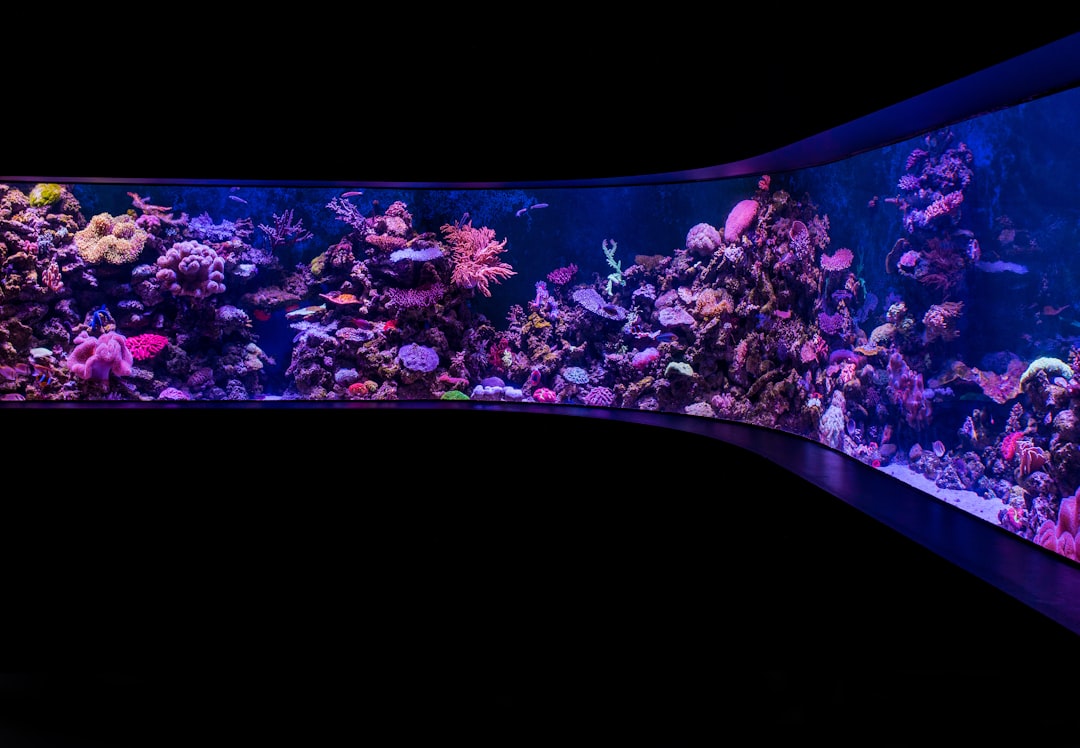
Photo by David Clode on Unsplash
This guide covers the most beginner-friendly LPS species, what water parameters they need, how to position them in your tank for the best results, and how to feed them effectively. We have also included the most common mistakes new reefers make with LPS corals, because knowing what to avoid is just as valuable as knowing what to do.
Livestock health note: LPS corals are living animals. Changes in water chemistry, temperature, or salinity should always be made gradually. If a coral shows signs of tissue recession, bleaching, or brown jelly infection, address the issue promptly rather than waiting to see if it resolves on its own.
What Are LPS Corals?
LPS stands for large polyp stony coral. The “stony” part refers to a calcium carbonate skeleton, and “large polyp” describes the fleshy tissue that extends over that skeleton. This tissue is what you see when a healthy LPS coral is open: the puffy, swaying, often brightly colored body that makes these animals so appealing.
LPS corals occupy a middle ground in reef keeping. They are more tolerant of minor water quality fluctuations than SPS (small polyp stony) corals, but they require more stable conditions than most soft corals. Most LPS species also need to be fed target food, which means they reward consistent attention.
Here is an overview of the most popular beginner LPS species:
| Species | Common Name | Temperament | Flow | Light |
|---|---|---|---|---|
| Euphyllia ancora | Hammer coral | Aggressive (sweepers) | Low-medium | Low-medium |
| Euphyllia glabrescens | Torch coral | Aggressive (sweepers) | Low-medium | Low-medium |
| Euphyllia divisa | Frogspawn coral | Aggressive (sweepers) | Low-medium | Low-medium |
| Blastomussa wellsi | Blastomussa | Peaceful | Low | Low |
| Acanthastrea lordhowensis | Acan lord | Peaceful | Low-medium | Low-medium |
| Lobophyllia hemprichii | Lobo | Peaceful | Low | Low-medium |
| Trachyphyllia geoffroyi | Open brain | Peaceful | Low | Low-medium |
Euphyllia corals (hammer, torch, and frogspawn) are the most commonly recommended starting points because they are hardy, respond visibly to good conditions, and are widely available. They do have long sweeper tentacles that can sting adjacent corals, so placement spacing matters.
Brain and Acan corals tend to be more peaceful and are a good choice if you want to pack more LPS into a smaller area without aggression issues.
Water Parameters for LPS Coral Success
LPS corals need stable, clean water. They are more tolerant than SPS, but that does not mean they are tolerant of neglect. In our experience, the number one cause of LPS decline in beginner tanks is not a single catastrophic event but slow parameter drift over weeks.
Target these ranges:
| Parameter | Target Range |
|---|---|
| Temperature | 76-78°F (24.4-25.6°C) |
| Salinity | 1.025-1.026 SG |
| pH | 8.1-8.3 |
| Alkalinity | 8-10 dKH |
| Calcium | 400-450 ppm |
| Magnesium | 1250-1350 ppm |
| Nitrate | 5-20 ppm |
| Phosphate | 0.05-0.1 ppm |
Alkalinity is the most critical parameter to keep stable. Swings of even 1-2 dKH within a 24-hour period can cause LPS to close up, bleach, or go into decline. Test alkalinity at the same time each day if you are new to dosing, and aim for changes of no more than 0.5 dKH per day when correcting.
Nitrate and phosphate are not your enemies. Many beginners chase ultra-low nutrient levels in the belief that a cleaner tank is always better. For LPS corals, some nutrients are necessary for healthy coloration and growth. A tank with undetectable nitrate and phosphate often produces pale, struggling LPS. Supplementing with Red Sea Reef Energy Plus provides a balanced coral food and energy blend that supports color and polyp extension even when nutrient levels are naturally low.
Calcium and magnesium work together. If calcium is low, check magnesium first. Low magnesium prevents calcium from staying in solution. Raising magnesium first often resolves stubborn low calcium without heavy supplementation. Brightwell Aquatics Calcion is a liquid calcium supplement well suited for smaller reef tanks where two-part dosing is not yet set up.
For a detailed look at alkalinity management and regular water changes, see our guide on reef tank water changes.
Lighting Requirements for LPS Corals
LPS corals generally prefer low to moderate light levels, which is one reason they work well in beginner setups. Many quality LED fixtures that are not dialed to full power will produce enough light for most LPS species to thrive.
General PAR guidelines for LPS corals:
- Low-light species (blastomussa, lobophyllia, open brain): 50-100 PAR
- Mid-light species (hammer, torch, frogspawn, acan lords): 100-200 PAR
These are target values at the coral’s surface, not at the top of your tank. PAR drops significantly as depth increases and as you move away from the center of a light’s beam.
Acclimating to light: When you first add an LPS coral, always start it in the lowest light zone of your tank for at least two weeks. Even if the coral came from a higher-light system, giving it time to adjust prevents light shock, which shows up as bleaching or tissue recession. Move it toward stronger light gradually if you are targeting higher PAR.
Signs of too much light: The coral stays contracted, turns brown, or the tissue thins or recedes from the skeleton edges.
Signs of too little light: The coral extends further than usual (reaching toward light), growth slows, and color may fade over months.
When we compared torch corals placed at two different heights in the same tank, the specimen at lower PAR (around 80) showed slower growth but richer coloration. The one at 150 PAR grew faster but initially paled before adjusting over a month. Both ended up healthy, but the lower specimen required less intervention during acclimation.
For more detail on matching coral types to light zones and tank position, our coral placement guide covers the full spectrum of species with placement strategies.
Flow and Placement for LPS Corals
Flow is where beginners most often go wrong with LPS corals. These are not high-flow animals. They need enough water movement to bring food to their polyps and keep detritus from settling on them, but strong or direct flow will cause them to contract, recede, or fail to open entirely.
Target flow: Gentle, indirect, and intermittent. Think wave lapping at the coral rather than a current blowing across it.
Placement rules for LPS corals:
- Place LPS in the lower to middle areas of the tank, away from direct powerhead output.
- Position euphyllia corals (hammer, torch, frogspawn) with at least 6 inches of clearance on all sides. Their sweeper tentacles extend 4-6 inches at night and will sting whatever they reach.
- Frogspawn and hammer corals can be placed near each other, as they are the same genus and typically do not sting one another aggressively. Torch corals may sting even other euphyllia species.
- Brain corals and open brain corals should be placed directly on the sand bed. They are designed to capture food that settles from above.
- Acan lords do well on flat rock surfaces at mid to low levels. Stable positioning makes target feeding easier.
For flow adjustment: A small powerhead like the Hydor Koralia Nano 240 GPH is useful for creating gentle indirect circulation in smaller tanks without overwhelming LPS corals. We have found that pointing it at the back glass to generate a circular flow pattern, rather than aiming directly at corals, works well for mixed LPS displays and reduces the risk of tissue damage from concentrated flow.
Detritus that accumulates near bottom-dwelling LPS can also be managed by a well-chosen clean-up crew. Our best clean-up crew guide covers the snails, crabs, and worms that keep sand beds clear without disturbing corals.
How to Feed LPS Corals
LPS corals are heterotrophic feeders, meaning they capture and consume food particles. While they do host zooxanthellae (photosynthetic algae) that produce some energy from light, most LPS corals benefit significantly from regular target feeding. Regular feeding also supports faster growth and better polyp extension over time.
Step-by-step feeding process:
- Turn off or reduce flow from powerheads for 15-30 minutes before feeding. This keeps food near the corals rather than sweeping it away immediately.
- Use a turkey baster or pipette to direct small amounts of food toward each coral’s polyps.
- Watch for the coral to respond. Healthy LPS will begin closing around food within a few seconds of contact.
- Allow 30-45 minutes for feeding to complete. Most LPS corals will finish consuming prey within this window.
- Restore full flow after feeding. The increased current clears excess food from the water column and reduces the nutrient load.
- Perform this routine two to three times per week at minimum. Daily feeding accelerates growth but only if your nutrient export (skimmer, water changes, refugium) can handle the additional organic load.
What to feed: Mysis shrimp, enriched brine shrimp, and dedicated coral foods all work well. Larger species like lobophyllia and open brain corals can consume bigger food pieces. When we tested several coral foods across a mixed LPS display, Red Sea Reef Energy Plus produced the most consistent polyp extension response across species, making it our go-to routine supplement between mysis feedings.
Signs of a well-fed LPS coral: Consistent full extension during feeding, visible growth over weeks, and healthy coloration without excessive browning.
According to NOAA’s coral reef research, the majority of coral bleaching events are driven by temperature stress, but nutritional deficits and poor water quality can compound stress responses and slow recovery. Consistent feeding and stable parameters work together.
Common LPS Coral Mistakes and How to Fix Them
Placing euphyllia corals too close to neighbors. Hammer, torch, and frogspawn have long sweeper tentacles that extend at night. If you see a neighboring coral receding from one side without an obvious cause, check at night with a flashlight. Sweeper tentacles are transparent and easy to miss during daylight hours. Increase spacing or rearrange placement to put more distance between aggressors and targets.
Skipping light acclimation. Moving a coral straight from the shipping bag to a bright zone of your tank is one of the fastest ways to bleach it. Always start in low light and move up slowly over two to four weeks. Even corals from high-light systems need time to adjust to a new fixture’s spectrum and intensity.
Direct powerhead flow. Corals that stay contracted all day with no sign of opening are often sitting in a direct powerhead stream. Redirect flow to hit a wall first and create indirect circulation, or reposition the coral to a calmer area of the tank.
Overfeeding without matching nutrient export. Feeding LPS frequently raises nitrates and phosphates. If your skimmer is undersized or you are not doing regular water changes, nutrients will climb and eventually cause nuisance algae outbreaks and coral stress. Match your feeding routine to your actual export capacity.
Ignoring parameter drift. Many reefers test water parameters once a week. For a new LPS tank, test alkalinity every two to three days initially, then weekly once you know your consumption rate. Calcium and magnesium can be tested every one to two weeks.
Brown jelly disease. This bacterial infection can spread quickly through LPS tissue and is often triggered by physical damage, shipping stress, or a sting from an aggressive neighbor. If you see a brown mucus-like substance dissolving coral tissue, act immediately: remove the affected coral from the display tank, blast the affected area with a turkey baster, and place the coral in a clean quarantine container with fresh saltwater. Do not wait to see if it improves on its own. Speed is critical with brown jelly.
Frequently Asked Questions About LPS Corals
Can LPS corals survive under T5 or LED lights?
Yes. Both T5 fluorescent and LED lighting work well for LPS corals. The specific fixture matters less than the PAR output at the coral’s position. Most quality reef LEDs running at 40-60% intensity produce enough light for the low to mid-light species in this guide. T5 systems with 4-6 bulbs work similarly. If you have a PAR meter or can borrow one, target 100-200 PAR for euphyllia and acans, and 50-100 PAR for brain and blastomussa corals.
How do I know if my LPS coral is healthy?
A healthy LPS coral extends fully during the day or in response to feeding, has consistent color (some browning is normal and not a problem), and shows no signs of tissue recession, exposed skeleton, or mucus production. Minor day-to-day variation in extension is normal. A coral that stays contracted for more than two to three consecutive days is signaling that something in the environment needs attention.
How fast do LPS corals grow?
Growth rate varies by species and conditions. Torch corals can produce a new head every three to four months under ideal conditions. Acan lords grow more slowly, but a well-fed colony can add noticeable new polyps within six months. Hammer and frogspawn corals grow at a moderate pace and will eventually need to be fragged or given more space. Open brain corals are among the slowest-growing of the common beginner species.
Can I keep LPS corals with fish?
Yes, most fish are compatible with LPS corals. However, large angelfish and some butterfly fish may nip at coral tissue. Clownfish hosting in torch corals is possible but can occasionally damage the coral through excessive contact, particularly in a tank without a host anemone where the clownfish fixates entirely on the coral. Monitor closely if clownfish behavior looks rough.
Do I need a refugium to keep LPS corals?
No, a refugium is not required. It helps with nutrient export and can provide natural zooplankton that benefits coral feeding, but plenty of successful LPS reef tanks run without one. A well-sized skimmer, regular water changes, and consistent feeding are more important foundational elements.
Related reading:
- Coral Placement Guide: Light and Flow Requirements by Species
- Reef Tank Water Changes: How Often and How Much
If this guide helped you plan your first LPS coral additions, bookmark it for reference when you are shopping or adjusting placement. Have a question or experience to share? Drop a comment below.