Best Affordable Test Kits for Reef Tank Water Chemistry
Stable water chemistry is the foundation of a thriving reef tank. Corals and invertebrates are far less forgiving than fish when parameters swing, and even small shifts in alkalinity, calcium, or magnesium can bleach frags and stall coral growth overnight. The only way to know what is happening in your water is to test it regularly, but test kits vary enormously in accuracy, cost, and which parameters they cover.
This guide breaks down the best affordable test kits for reef tank water chemistry. Whether you are a beginner trying to cover the basics or an intermediate reefer building out a more complete testing routine, these picks give you reliable reads without unnecessary expense.
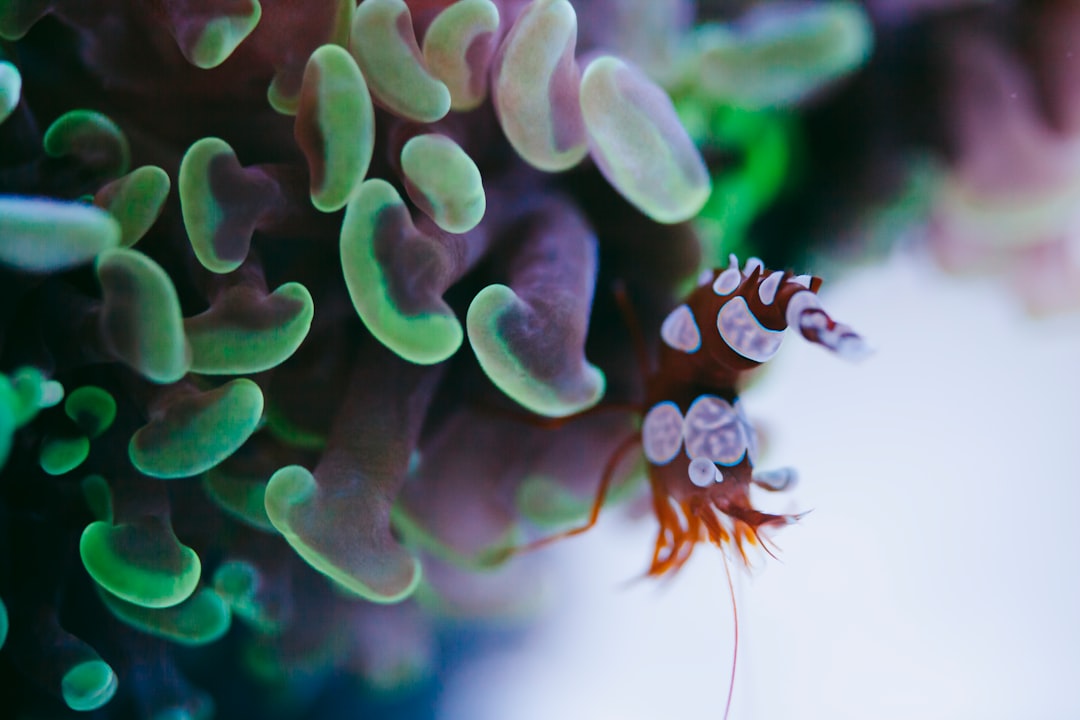
Photo by Shaun Lombard on Unsplash
The Parameters Every Reef Tank Keeper Must Test
Before spending money on test kits, it helps to understand which parameters actually matter and why. A reef aquarium requires monitoring more values than a fish-only setup because corals actively consume elements from the water column as they grow.
The essential four for any reef tank are alkalinity, calcium, magnesium, and nutrients (nitrate and phosphate). Alkalinity, measured in dKH, is arguably the most critical parameter for coral health. Most SPS and LPS corals consume alkalinity rapidly, and swings of more than 1 dKH per day can cause tissue necrosis even when the average value stays within range. Most reef keepers target 8-12 dKH. Calcium and alkalinity work together to build coral skeletons, so they must stay in balance. A standard reef target is 400-450 ppm for calcium. Magnesium regulates how calcium and alkalinity interact in solution; when magnesium is low, both of the other parameters crash even when you are dosing them daily. Target 1,250-1,350 ppm for magnesium.
Beyond those three, nitrate and phosphate determine how nutrient-dense your system runs. Even a visually thriving reef can tip into a nuisance algae outbreak or coral STN event if nutrients go unchecked. Regular testing of both is necessary for any established system.
In our experience with multiple reef builds over the years, the single biggest mistake new reefers make is buying a general freshwater master kit and assuming it covers reef parameters. It does not. Standard API freshwater kits test ammonia, nitrite, nitrate, and pH, useful during a cycle, but incomplete for coral keeping. Reef-specific tests for alkalinity, calcium, and magnesium require entirely different reagent chemistry.
Understanding what you are testing is the first step. Choosing the right kit is the second.
Best Affordable Reef Test Kits: Our Top Picks
API Saltwater Master Test Kit
The API Saltwater Master Test Kit is the lowest-cost entry point for new reef keepers. It covers ammonia, nitrite, nitrate, and pH with up to 550 tests combined across those four parameters. The liquid reagent format is meaningfully more accurate than dip strips, and the included color comparison cards are readable under neutral white light.
Where it falls short is coral-specific parameters. There is no alkalinity, calcium, or magnesium test in this kit. For a fish-only system converting to a reef, or a new tank working through its nitrogen cycle, it is a solid foundation. For an established reef with corals in the display, it must be supplemented with reef-specific tests.
Price point is typically under $25, which makes it the right starter buy. We have used this kit to track multiple tanks through their nitrogen cycle and found the ammonia test in particular to be consistent and straightforward to read. The color gradient is clean and the endpoint is easy to identify even for first-time testers.
Salifert Master Reef Testing Combo Kit
The Salifert Master Reef Testing Combo Kit is where dedicated reef keepers tend to land. Salifert kits have been a community staple for over a decade and are known for strong accuracy relative to their price. The combo covers alkalinity, calcium, magnesium, nitrate, and phosphate, which means it handles everything a coral-focused keeper needs in a single purchase.
The color endpoints on Salifert kits are generally easier to read than multi-brand competitors, and the alkalinity titration method gives a precise endpoint rather than a vague gradient match. When we cross-referenced a batch of water against an ICP analysis from an independent lab, our Salifert alkalinity and calcium results came within 3-5% of the lab figures. That is well within practical accuracy for a home reef where you are making dosing adjustments, not publishing scientific data.
The test procedure takes slightly longer than dip strips, but the results are worth the extra few minutes. If you can only buy one dedicated reef kit and your tank already has corals in it, this is the one to start with.
Red Sea Reef Foundation Pro Test Kit
The Red Sea Reef Foundation Pro Test Kit is designed for reefers who dose Red Sea’s Foundation supplement line and want to test those exact parameters with matching calibration. The three-part kit covers calcium, alkalinity, and magnesium with clear visual endpoints and approximately 75 tests per parameter.
Red Sea kits use a color change endpoint rather than a color comparison chart, which makes them less subject to lighting variation and individual color perception differences. That endpoint clarity is the biggest practical advantage over budget kits. If you are standing under blue reef lighting and trying to match a purple-to-pink gradient, color perception errors compound quickly. Red Sea’s endpoint approach largely eliminates that problem.
The tradeoff is cost per test. Red Sea is priced higher per test than Salifert or API. For a tank where you are already invested in the Red Sea supplement system, the pairing is logical and the accuracy is verified against those specific product formulations. For a strictly cost-first approach, Salifert delivers comparable accuracy at a lower per-test cost.
How to Use Reef Test Kits Accurately
Reef test kits are only as accurate as your technique. Even a premium Salifert kit produces unreliable results if the procedure is inconsistent.
For liquid titration kits covering alkalinity, calcium, and magnesium, start by rinsing the test vial twice with tank water before collecting your sample. Residual tap water or previous-test residue changes your results. Measure the sample volume precisely using the included syringe or pipette. Volume errors compound directly into parameter errors because titration-based tests work by ratio.
Work under neutral white light, not blue reef LEDs. Blue spectrum makes color endpoints nearly impossible to read accurately. Removing the vial from above the tank and reading it near a daylight bulb or window takes fifteen seconds and eliminates the most common source of reading confusion.
Shake reagent bottles gently before each use. Settled reagent in the lower portion of the bottle is more concentrated than the liquid above it, and using unsettled reagent produces false readings. Near the endpoint, add titrant drop by drop and allow each drop to fully mix before evaluating the color change.
Log every result with a date and timestamp. A single test tells you where your parameters are right now. A log of tests tells you how fast you are consuming alkalinity, whether calcium is trending down faster than dosing keeps up with, and whether any recent changes, including a new coral, a lighting schedule change, or a water change, shifted your baseline consumption.
Test at the same time of day for each parameter. pH swings naturally from morning to evening in a lit tank due to photosynthesis and respiration. Alkalinity is also mildly affected by the same biological activity. Testing at the same time each session removes that variable from your trend data.
For how testing integrates into a full maintenance routine, including when to test relative to water changes and dosing adjustments, see our reef tank maintenance schedule.
Safety note: Reef chemistry reagents are chemical solutions. Alkalinity and calcium titrants may be acidic or mildly caustic. Wash your hands after handling reagents. Keep test kits stored away from children and pets. Do not mix reagents between different kit brands. Cross-contamination can produce reactive mixtures and false readings.
Test Kit Comparison: At a Glance
| Kit | Parameters Covered | Approx. Tests | Best For |
|---|---|---|---|
| API Saltwater Master | NH3, NO2, NO3, pH | 550 total | Cycling, new setups |
| Salifert Combo | Alk, Ca, Mg, NO3, PO4 | 50-100 per param | Established reef tanks |
| Red Sea Foundation Pro | Alk, Ca, Mg | ~75 per param | Red Sea dosing users |
For a full reef tank on a budget, the most practical approach is to pair the API kit for nitrogen-cycle monitoring with the Salifert combo for coral-critical parameters. Together they run under $70 and cover virtually every parameter a beginning or intermediate reef keeper needs to track. If you later want to add accuracy on phosphate, a Hanna ULR colorimeter is the recommended upgrade. It detects phosphate at levels too low for most liquid kits to resolve.
The Reef2Reef chemistry and dosing forum has long-running threads comparing titration accuracy across kit brands with side-by-side ICP validation. For a community-sourced breakdown of how these and other kits compare, the Reef2Reef chemistry and dosing subforum is worth bookmarking.
Common Reef Testing Mistakes and How to Fix Them
Even experienced reefers make the same handful of testing errors. Recognizing them early prevents false alarms and misguided dosing corrections.
Reading color under tank lighting is the most common problem. Blue actinic spectrum makes every color endpoint look wrong. Always remove the vial from above the tank and evaluate it under a white light source. This one habit change resolves the majority of “confusing results” complaints people post in reef forums.
Testing from the tank surface is another common issue. Surface water in a lit reef is often supersaturated with oxygen and elevated in pH from photosynthesis. For most parameters, a mid-column sample or a draw from the sump return gives a more representative reading of what your corals are actually experiencing.
Ignoring reagent expiration causes slow drift in results that is easy to misread as a tank problem. Most Salifert kits are reliable for about a year after opening when stored away from heat and light. If alkalinity readings start varying inconsistently without a corresponding tank event, the reagent is the first thing to suspect.
Mixing up alkalinity units causes confusion for newer reefers. Alkalinity is reported in dKH by some kits and in meq/L by others. Salifert reports in meq/L; many other kits use dKH. The conversion is simple: 1 meq/L equals 2.8 dKH. If your kit reads 3.0 and your controller shows 8.4, you have a unit mismatch, not a chemistry emergency.
For more context on how all these parameters interact in a healthy system, our reef tank water chemistry guide covers the relationships between alkalinity, calcium, magnesium, and pH in detail.
FAQ
How often should I test my reef tank water?
For a new or recently changed setup, test alkalinity and calcium every 2-3 days until you have a clear picture of your daily consumption rate. That rate depends on your coral load, lighting hours, and flow. For a stable, established tank with dosing in place, weekly tests for alkalinity, calcium, and magnesium are generally sufficient to catch drift before it becomes a problem. Test nitrate and phosphate every one to two weeks unless you are seeing active algae growth or coral stress, in which case increase to weekly or more.
Can a freshwater test kit be used on a reef tank?
For ammonia, nitrite, nitrate, and pH: yes, most freshwater liquid test kits work in saltwater and give valid results. For coral-critical parameters (alkalinity, calcium, magnesium), no. Freshwater kits simply do not test those elements. If your kit says freshwater only or does not list marine use, it is incomplete for reef keeping. Look for kits that explicitly list saltwater, marine, or reef on the packaging.
Are digital testers like Hanna checkers worth upgrading to?
Hanna colorimeters are a worthwhile upgrade specifically for alkalinity and phosphate, where color endpoint accuracy in liquid kits varies between users and between lighting conditions. The Hanna ULR phosphate checker is widely used in the reef community because it detects phosphate at concentrations too low for most liquid kits to resolve, important for low-nutrient systems targeting ultra-low PO4. The upfront cost is higher than liquid kits, but reagent cuves are inexpensive per test. For most beginners, a quality liquid kit is the right starting point. Add a Hanna checker once you have a stable testing routine and want more precision on a specific parameter.
What do I do if I get an unexpected test result?
First, retest with a fresh sample in a clean vial. If the result repeats, test your RO or top-off water as a blank control to rule out reagent interference from trace elements in source water. If results remain inconsistent with what your corals are showing visually, consider sending a water sample to an independent ICP elemental analysis lab. These services typically cost $25-40 and provide a full baseline across dozens of elements, which gives you a validated reference point against which to calibrate your home kits.
Conclusion
Reef tank test kits do not need to be expensive to be useful. The API Saltwater Master Kit covers the cycling phase well, the Salifert Combo covers coral-critical parameters with solid accuracy, and the Red Sea Foundation Pro is the right pairing for reefers already running Red Sea supplements. Between those three options, virtually every practical reef testing need is addressed at a reasonable cost.
The most important variable is not which kit you choose. It is whether you test consistently and log results over time. Trend data is what catches a slow alkalinity drift before your SPS frags show it. A single reading gives you a snapshot; a month of readings gives you the ability to act before problems appear.
Bookmark this guide and revisit it when you are ready to upgrade your testing setup or troubleshoot a confusing reading.
Related reading: Reef Tank Water Chemistry: A Beginner’s Reference