Best Clean-Up Crew for a Reef Aquarium
A healthy reef tank is not just about corals and fish - it’s about everything working together to keep the system stable. One of the most underrated tools in that system is the clean-up crew (CUC): a collection of invertebrates that graze algae, scavenge detritus, and turn over substrate before problems can take hold.
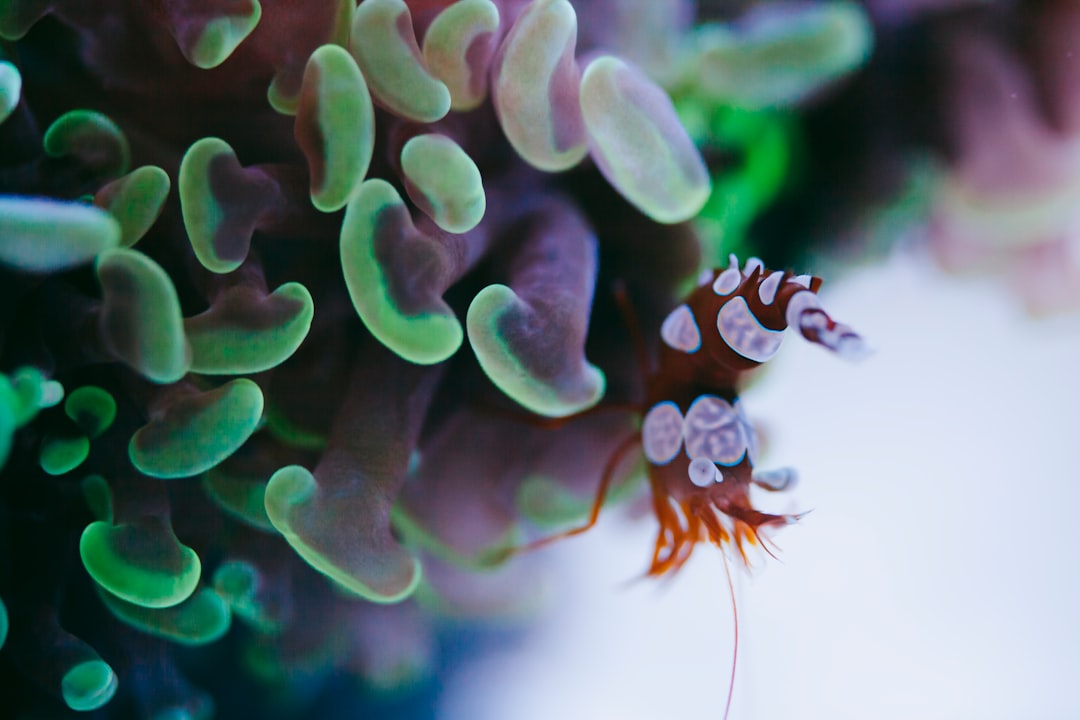
Photo by Shaun Lombard on Unsplash
In our experience running reef tanks from 30 to 120 gallons, a well-selected CUC can mean the difference between a tank that fights algae constantly and one that largely manages itself. The key word is “well-selected” - the wrong mix of inverts, or too many too fast, can cause as many problems as it solves.
Livestock health note: Clean-up crew animals are sensitive to salinity swings, copper-based medications, and sudden parameter shifts. Never add CUC members to an uncycled tank or one that has recently been treated with copper. Acclimate all new arrivals using the drip method. If you see mass die-offs, test your water immediately - dead CUC can spike ammonia quickly in a small system.
What Does a Reef Clean-Up Crew Actually Do?
A CUC targets the organic waste your filtration can’t fully address. Different animals specialize in different jobs: some eat cyano and hair algae off the glass and rock, some scavenge uneaten food from the sand bed, and others burrow through the substrate to prevent anaerobic dead spots from forming.
No single animal does all of these jobs. That’s why a diverse CUC - not just a large quantity of one species - is almost always more effective.
Best Snails for a Reef Clean-Up Crew
Snails are the foundation of most clean-up crews. They’re reef-safe, peaceful, and excellent algae grazers.
Nassarius snails are the top choice for sand bed maintenance. They spend most of their time buried and emerge whenever food hits the substrate, making them efficient scavengers of fish waste and leftover food. For a 40-gallon tank with a sand bed, we typically keep 10-15 Nassarius snails.
Astrea snails (sometimes sold as Astrea tecta) are workhorses for grazing turf algae and film algae off rock and glass. They can’t right themselves if they fall, so check them occasionally and flip any that land upside-down.
Cerith snails do double duty: they graze algae on the glass and rock surface, and they burrow through the top layer of sand. A mix of Cerith and Nassarius snails handles most of what a sand bed requires.
Turbo snails are the heavy artillery for hair algae. A single adult Turbo can consume a surprising amount of algae overnight. Be cautious with them in nano tanks - they’re large, can knock over frags, and eat through algae reserves quickly, which may leave them underfed once the bloom clears.
Crabs and Shrimp for a Reef Clean-Up Crew
Crabs and shrimp fill niches that snails can’t, and they add visible activity to the tank.
Blue-legged hermit crabs (Clibanarius tricolor) are the standard recommendation: small, active, and largely reef-safe. In our experience, they do occasionally evict snails from their shells, so it helps to provide extra empty shells in varying sizes to reduce that behavior. Scarlet reef hermit crabs (Paguristes cadenati) are slightly less aggressive and complement blue-legged hermits well. Avoid large hermit species like Halloween hermits in mixed reef tanks - they’re known coral nippers.
Emerald crabs (Mithraculus sculptus) earn a spot specifically for bubble algae (Valonia) control. If you have a Valonia outbreak, one or two emerald crabs will work through it faster than any other CUC member. They’re generally reef-safe, though large individuals can occasionally nip at LPS corals, so keep just one or two rather than a colony.
Peppermint shrimp (Lysmata wurdemanni) are the go-to for controlling Aiptasia anemones. They’re not always reliable - some individuals ignore Aiptasia entirely - but keeping a small group of 3-4 is more effective than a single shrimp, and they scavenge detritus well regardless. Skunk cleaner shrimp (Lysmata amboinensis) don’t eat algae, but they pick parasites and dead tissue off fish and corals, and they’re one of the most interactive inverts you can keep.
How Many Clean-Up Crew Members Do You Need?
A rough starting guideline used widely in the reef hobby is 1-2 CUC members per gallon, but this varies significantly by tank type. A tank with a heavy fish load and lots of live rock needs more coverage than a lightly stocked system with a refugium.
For a 50-gallon reef, a reasonable starting CUC might look like: 20 Nassarius snails, 15 Astrea snails, 10 Cerith snails, 10 blue-legged hermit crabs, 2 emerald crabs, and 2 cleaner shrimp. Adjust based on what you actually see - if algae is getting ahead of the snails, add more before reaching for chemical interventions.
Avoid overstocking the CUC. Too many snails consuming too little algae leads to starvation and die-offs, which create the exact nutrient spike you were trying to prevent. See our article on reef tank water changes for how to respond if a die-off causes an ammonia spike.
When to Add Your Clean-Up Crew
Add your CUC only after the tank has fully cycled and nitrite has returned to zero. Most hobbyists add CUC before fish, since the CUC helps clean up the algae bloom that typically follows the cycling phase.
Acclimate all CUC arrivals carefully. For snails and hermit crabs, we use a slow drip acclimation over 45-60 minutes. Shrimp are more sensitive to salinity differentials, so drip acclimation is especially important for them. For a full walkthrough, see our guide on how to acclimate fish and corals safely.
Watch for hitchhikers when adding CUC. Mantis shrimp can arrive inside rock or shells. Gorilla crabs - dark-shelled, hairy-clawed - are predatory and will hunt snails and small fish. If you notice mysterious CUC losses, set a simple bottle trap overnight to catch what’s hiding in the rock.
Keeping Your Clean-Up Crew Healthy Long-Term
The biggest threats to a CUC are copper medication (fatal to all invertebrates), sudden salinity drops, and low alkalinity affecting shell formation in snails. Maintain your salinity at 1.025-1.026 specific gravity and run regular parameter checks.
Never dose copper in a display tank that houses CUC. If you need to treat for ich or other fish disease, a dedicated quarantine tank is the only safe option. We cover reef-safe treatment strategies more in our post on common reef tank pests and how to remove them.
The University of Florida IFAS extension maintains solid reference material on marine invertebrate care and biology that’s worth bookmarking if you’re new to keeping reef inverts.
Recommended Products
These products complement your CUC and support the conditions they need to thrive.
Flipper Nano Aquarium Algae Cleaner Magnet handles what the CUC misses - specifically the glass between waterline and substrate. It works on both glass and acrylic without scratching. Available on Amazon: Flipper Nano Algae Cleaner
Seachem Stability helps stabilize the biological filter when you add a large CUC batch at once. A few doses during the first week reduces the risk of ammonia spikes from any animals that don’t acclimate well. Available on Amazon: Seachem Stability
Instant Ocean Reef Crystals is the salt mix we use for water changes in reef tanks with active CUCs. It’s formulated with elevated calcium and trace elements that support snail shell health over time. Available on Amazon: Instant Ocean Reef Crystals
As an Amazon Associate we earn from qualifying purchases at no extra cost to you.
Have a CUC species that’s worked exceptionally well in your tank? Drop a comment below - we’re always interested in what’s working for other reefers.