Reef Tank Water Changes: How Often and How Much
Water changes are one of the most debated topics in reef keeping. Ask ten experienced hobbyists how often they do water changes and you will get ten different answers. The truth is there is no single correct schedule - but there is a logic you can follow to arrive at the right answer for your tank. This guide walks through the reasons water changes matter, how to find the right frequency and volume for your system, and how to do them without stressing your livestock.
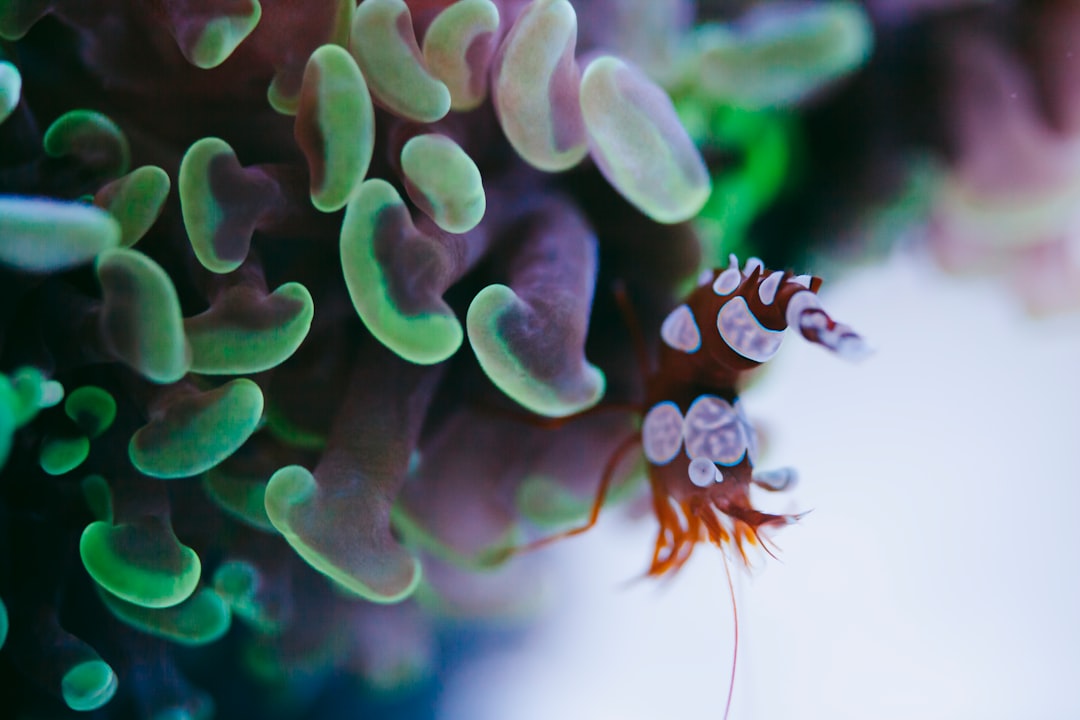
Photo by Shaun Lombard on Unsplash
A note on livestock health: Water chemistry swings caused by large or infrequent water changes can stress fish and corals quickly. If you notice animals looking lethargic, fish clamping fins, or corals staying retracted after a water change, test your parameters immediately. A sudden shift in salinity, temperature, or alkalinity is the most common culprit.
Why Water Changes Matter in a Reef Tank
A reef tank is a closed system. Unlike the ocean - which is effectively infinite - your tank accumulates waste products that have nowhere to go except the water column. Nitrates build from the breakdown of organic matter. Phosphates accumulate from fish food and detritus. Dissolved organic compounds (DOCs) build up over time and can yellow the water, reduce oxygen exchange, and inhibit coral growth.
Beyond removing what does not belong, water changes also replenish what your tank depletes. Corals consume calcium, alkalinity, and magnesium constantly to build their skeletons. In a lightly stocked reef, water changes alone can keep these elements in range. In a heavily loaded SPS system, dosing becomes necessary - but water changes still handle the waste removal side that dosing cannot.
The third reason, which gets less attention, is that fresh saltwater contains trace elements in natural proportions. Natural seawater chemistry has been documented extensively by researchers, including through resources like the MBARI (Monterey Bay Aquarium Research Institute) ocean chemistry database. Over time, a closed reef tank can become deficient in iodine, strontium, potassium, and other traces that are difficult to test for. Regular water changes are the simplest way to maintain a reasonably natural trace element balance without chasing complex supplementation.
How Often and How Much: Finding the Right Schedule
The most common guidance for reef tanks is a 10-15% water change weekly, or 20-25% biweekly. In our experience running mixed-reef setups ranging from 30 to 120 gallons, weekly smaller changes consistently outperform infrequent large ones - they keep parameters steadier and are less disruptive to both fish and corals.
The standard advice is to never change more than 25-30% at once without a very good reason. Large volume swings - especially if your replacement water is not perfectly matched in temperature, salinity, and pH - stress livestock even when the replacement water itself is high quality. Whatever volume you choose, keep it consistent. Corals adapt to a routine. The stress comes from unpredictability - a 30% change once a month is harder on your tank than a 10% change four times a month, even if the total volume is similar.
The right frequency depends on your tank’s bioload:
Lightly stocked FOWLR or beginner reef (1-2 fish, a few soft corals): Monthly 20-25% changes may be sufficient if nitrates stay under 20 ppm. Test first, then adjust based on what you see.
Mixed reef with moderate fish load: Weekly 10-15% is a good starting point. Check nitrates monthly. If they are climbing despite water changes, either reduce feeding, increase export, or change water more frequently.
SPS-dominant reef: Many SPS keepers rely on heavy nutrient export (skimmer, refugium, GFO) and dosing for element replenishment, then do water changes every 2-4 weeks in smaller volumes. Others swear by weekly changes. The key is parameter stability, not any specific schedule.
Nano tanks (under 20 gallons): Weekly or even twice-weekly small changes (5-10%) are often necessary because the small water volume means parameters shift faster. A single overfeeding event can spike nitrates in a 10-gallon tank in days.
Preparing Replacement Water Correctly
The quality of your replacement water matters as much as how often you change it. Reef tanks need properly prepared saltwater - not tap water mixed with salt and added directly.
Start with RO/DI water. Tap water contains chlorine, chloramines, silicates, nitrates, and phosphates that will undermine everything you are trying to accomplish with a water change. A good RO/DI unit is one of the best investments for a reef tank. If you do not have one, most fish stores sell RO water by the gallon, or you can use a product like Seachem Prime to neutralize chlorine and chloramines in tap water as a short-term backup.
Use a quality reef salt. Not all salt mixes are equal. For reef tanks - especially those with corals - look for a salt that targets NSW (Natural Seawater) levels of calcium (around 400-420 ppm), alkalinity (8-9 dKH), and magnesium (1250-1350 ppm). Seachem Reef Salt is a widely used option that reliably mixes to NSW levels and dissolves cleanly.
Match temperature and salinity before adding. Mix your saltwater at least a few hours before your water change - overnight is better. Target 1.025-1.026 specific gravity (35-36 ppt salinity) for most reef systems. Use a quality refractometer to verify. Adding cold, warm, or off-salinity water creates chemistry swings that stress your animals even if the replacement water is otherwise pristine.
Allow time to degas. Freshly mixed saltwater can have elevated CO2, which temporarily suppresses pH. Mixing with a powerhead or circulation pump for several hours before use allows the water to degas and equilibrate. We find that mixing the night before and aerating overnight results in more stable post-change pH readings.
Maintaining Alkalinity Through Water Changes
One of the most overlooked aspects of reef water changes is alkalinity management. Alkalinity (carbonate hardness, measured in dKH) is consumed by corals and naturally drifts lower between changes. When you add fresh saltwater, you are topping it back up - but if your salt mix targets a different alkalinity than your tank is running, every water change creates a small swing.
In our mixed reef, we target 8.5 dKH. We mix our replacement water to 8.5 dKH and confirm it before every change. If your salt is mixing higher than your target, you can use Seachem Reef Buffer to adjust the replacement water in the bucket before adding it. It is much easier to tweak new water in a mixing container than to react to a parameter swing in the display tank.
For more detail on keeping alkalinity, calcium, and magnesium in range, see our guide on dosing calcium and alkalinity: two-part vs. kalkwasser.
The Water Change Process Step by Step
A consistent procedure reduces the chance of mistakes and helps you catch problems early.
1. Test before you change. Check nitrate, alkalinity, and salinity at minimum. This tells you whether your water change schedule is working and whether the tank is drifting anywhere unexpected. Your test results are your feedback loop.
2. Prepare replacement water ahead of time. Mix, heat, and aerate the night before. Confirm salinity and temperature match your display tank before you start.
3. Remove old water first. Use a siphon or pump to remove the planned volume. In a reef tank with a sump, you can pull from the sump to avoid disturbing the display - just be careful not to suck up pump or probe cables.
4. Clean while you have lower water level. With the water level slightly reduced, rinse filter socks, siphon detritus from sump dead spots, or clean the glass. Folding maintenance into each water change session is part of why smaller, more frequent changes work so well in practice.
5. Add new water slowly. Pour or pump replacement water in gently. Avoid dumping directly onto corals or disturbing the sandbed aggressively. A slow drip or low-flow pump addition is ideal for sensitive systems.
6. Log what you did. Keep a simple log of water change date, volume changed, and any test results. This is invaluable when you notice a trend - rising nitrates, drifting alkalinity - and need to trace back when it started.
Do You Still Need Water Changes with a Refugium or GFO?
Short answer: usually yes, but less frequently. A refugium growing macroalgae (chaeto, in particular) does an excellent job exporting nitrate and phosphate - in some systems, it effectively handles all the nutrient export that water changes would otherwise provide. GFO (granular ferric oxide) in a media reactor controls phosphate aggressively.
But these methods do not replenish trace elements, and they do not remove dissolved organics the way a water change does. Most reefers running heavy export still do monthly or bimonthly water changes as a reset rather than a primary maintenance tool. See our refugium setup guide for more on building a nutrient-exporting refugium.
Signs Your Water Change Schedule Needs Adjustment
Your tank will tell you if something is off - you just need to know what to look for:
Creeping nitrates despite regular changes: Either your bioload is too high for your current change volume, or your replacement water itself contains nitrates (tap water, low-quality salt mix, or a contaminated mixing container). Switch to RO/DI and test your mix water before use.
Corals staying retracted after changes: This often points to a chemistry mismatch - temperature, salinity, or alkalinity off from the display tank. Slow your additions and double-check your replacement water prep.
Yellowing water: Dissolved organics building up. Increase water change frequency or volume, and consider adding activated carbon to your filtration.
Algae blooms after changes: Phosphate or silicate in your tap water or salt mix. Switch to verified RO water and test your salt mix independently.
Recommended Products
For a consistent water change routine, these are the three things that make the biggest practical difference:
- Seachem Reef Salt 4kg - Mixes reliably to near-NSW parameters for calcium, alkalinity, and magnesium. A consistent, high-quality salt is the foundation of every water change.
- Seachem Prime 250ml - If you are using tap or well water as a backup source, Prime neutralizes chlorine and chloramines on contact and is reef-safe at proper dosing.
- Seachem Reef Buffer - Useful for adjusting alkalinity in your freshly mixed replacement water before it goes into the tank, keeping your dKH stable across changes.
As an Amazon Associate we earn from qualifying purchases at no extra cost to you.
Bookmark this guide and check out our reef tank water chemistry overview next - understanding what you are testing for makes your water change routine far more useful.