Common Reef Tank Pests and How to Remove Them
Reef aquariums are carefully balanced ecosystems, and that balance can be disrupted quickly when an unwanted hitchhiker makes it in. Pests in a reef tank range from mildly annoying to genuinely destructive - some will eat corals, others spread rapidly and crowd out beneficial life, and a few can crash a tank if you don’t catch them early. The good news is that most common reef tank pests are manageable once you know what you’re looking for and how to act.
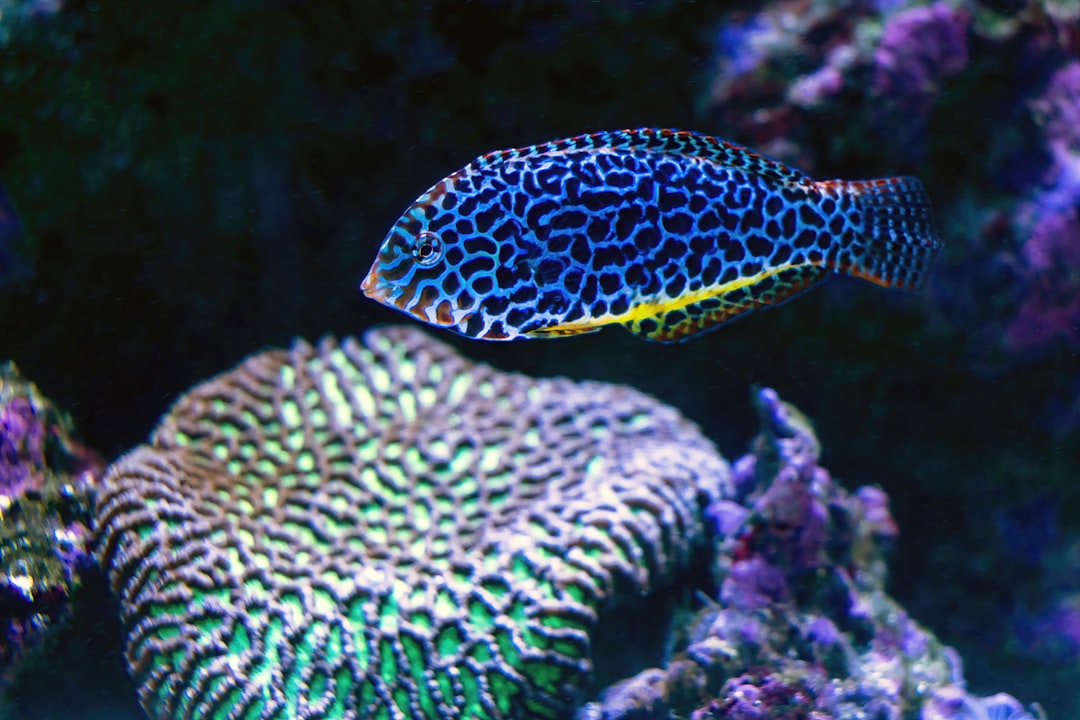
Photo by David Clode on Unsplash
A note on livestock health: If you’re dealing with a fish disease like ich, act quickly but carefully. Treating fish in the main reef tank with copper or similar medications will kill invertebrates and corals. Always use a quarantine tank for sick fish before introducing chemical treatments.
What Counts as a Reef Tank Pest?
“Pest” is a broad term in the reef hobby. Some organisms, like Asterina starfish, are harmless in small numbers and only become a concern when populations explode. Others, like Aiptasia anemones and Acropora-eating flatworms (AEFW), cause direct damage and need to be dealt with as soon as you spot them.
The most common reef tank pests fall into a few categories: stinging pests that compete with corals, parasites that attack fish, algae or organisms that overrun rockwork, and invertebrates that eat coral tissue. Each type requires a different approach.
Flatworms: Planaria and AEFW
There are two types of flatworms reef keepers typically encounter. Rust-brown flatworms (Convolutriloba retrogemma) are among the most frequently seen. They’re about 3-5 mm long, flat, reddish-brown, and often gather in large numbers on sandbed surfaces and on glass. In small numbers they’re mostly harmless, but a population bloom blocks light from corals underneath them and releases toxins when they die en masse - which can cause a tank crash if you remove them all at once without preparation.
The more serious threat is Acropora-Eating Flatworms (AEFW), which specifically target SPS corals. They’re harder to spot - cream-colored, 1-3 mm, and found on the underside of Acropora branches. If your Acro is showing tissue recession for no obvious water-quality reason, look closely with a flashlight at the underside of branches.
Treating Flatworms
For rust-brown flatworms, targeted removal with a siphon tube works well for moderate infestations. Run the siphon over affected surfaces and collect worms in a fine mesh cup. This avoids the toxin die-off problem. For heavier infestations, Red Sea Flatworm Exit is a reliable treatment - dose carefully per the instructions, run carbon, and have your skimmer running full blast during treatment.
For AEFW, the most effective approach is pulling affected corals and dipping them in a coral dip solution. We’ve had the best results with Coral RX Pro, which is safe for most SPS when used at the recommended dilution. Dip for 10-15 minutes, rinse in clean saltwater, and inspect the runoff water for worms. Repeat every few days until you see no worms in the dip water.
Aiptasia Anemones: Fast-Spreading and Hard to Kill
Aiptasia are small, brownish anemones that hitch in on live rock, coral frags, and macroalgae. A single Aiptasia left unchecked can become dozens within weeks - they reproduce asexually by dropping pedal fragments that each grow into a new animal. Their sting is strong enough to irritate soft corals and clams placed nearby.
The biggest mistake is trying to physically remove them. Cutting or puncturing an Aiptasia causes it to release fragments that seed new ones. You need to kill the foot completely.
Aiptasia Treatment Options
The most practical treatments for home reef keepers are chemical injection (using kalkwasser paste or a commercial product like Aiptasia-X) or biological control. Peppermint shrimp (Lysmata wurdemanni, specifically - not all Lysmata species) will eat Aiptasia, but they’re hit-or-miss. Berghia nudibranchs are Aiptasia specialists and work reliably, though they’ll starve once the Aiptasia are gone.
For a chemical approach, mix kalkwasser to a thick paste and use a syringe to inject it directly into the Aiptasia’s mouth. The high pH kills it quickly. This works well if you can access the mouth. For hard-to-reach spots, Aiptasia-X creates a foam that sticks to the pest and smothers it. We’ve used both approaches in our own tanks - kalk paste is cheaper and works just as well if you have good syringe access.
Bubble Algae (Valonia)
Bubble algae (Valonia ventricosa and related species) looks like bright green marbles ranging from 1 cm to several centimeters across. They grow on rock, frag plugs, and even the base of corals. Emerald crabs (Mithraculus sculptus) are the most commonly cited control, but their effectiveness is inconsistent - some individuals eat bubble algae readily, others ignore it.
The key rule with Valonia is to never pop the bubbles during removal. Each bubble contains reproductive material that, if released into the water column, seeds new growth across the tank. Instead, use a flathead screwdriver or knife to carefully lever the entire bubble off the rock with its holdfast intact, then catch it in a net before it can drift. In our experience, manual removal combined with a couple of emerald crabs keeps bubble algae manageable in most tanks.
For controlling bubble algae alongside other nuisance algae issues, take a look at our guide to controlling algae in a reef tank for more detail on nutrient export and biological controls.
Asterina Starfish: When to Worry
Asterina starfish are small (5-15 mm), irregularly shaped, and often cream or mottled in color. Most Asterina species are harmless detritivores that graze on biofilm and dead organic matter. However, some individuals or species within the Asterina group have been documented eating coral tissue and coralline algae.
The practical guidance: small numbers of Asterinas in a healthy tank with no coral damage aren’t a crisis. If you start noticing white marks on coral tissue alongside a growing Asterina population, act on the assumption they’re the culprit. Harlequin shrimp (Hymenocera picta) are effective biological controls, but they eat all starfish - including desirable species like sand-sifting stars - and must be supplemented with alternative starfish prey once the population is controlled.
Ich and Fish Parasites: Treat in Quarantine, Not the Main Tank
Saltwater ich (Cryptocaryon irritans) and Velvet (Amyloodinium ocellatum) are the two fish diseases reef keepers fear most. Both are common, both can kill fish quickly if untreated, and both require treatments that are incompatible with a reef environment.
Copper-based medications like Seachem Cupramine are highly effective against ich and velvet, but they’re fatal to invertebrates, corals, and beneficial bacteria. This is why a dedicated quarantine tank matters. If fish show signs of ich (white spots, scratching, labored breathing), they need to be moved to a bare-bottom quarantine tank for treatment.
For a full walkthrough on setting up and running a quarantine system, see our post on how to acclimate fish and corals safely, which covers the QT basics.
Prevention: Dip Everything Before It Enters the Tank
The most effective pest management strategy is not letting pests in. Every coral frag and live rock addition is a potential vector. Making dipping a standard part of your acclimation process stops most hitchhikers before they establish.
Two Little Fishies ReVive Coral Cleaner is a mild dip suitable for soft corals, LPS, and SPS. For SPS frags with potential AEFW exposure, use Coral RX Pro. Dip for the recommended time, gently agitate the coral, watch the runoff water in the dip container, and do a clean saltwater rinse before placing the coral in the tank. This takes about 15 minutes per coral and eliminates the vast majority of common surface pests.
The Reef Builders community maintains a useful coral dipping reference with species-specific guidance if you need detail on timing and solutions for specific coral types.
Recommended Products
- Red Sea Flatworm Exit - View on Amazon - Targeted flatworm treatment, safe for reef use when dosed correctly
- Coral RX Pro - View on Amazon - Broad-spectrum coral dip effective against AEFW, flatworms, and other surface pests
- Two Little Fishies ReVive Coral Cleaner - View on Amazon - Gentle dip suitable for LPS and softies as part of a standard acclimation process
- Seachem Cupramine - View on Amazon - Effective copper treatment for ich and velvet in quarantine tanks (never in the main reef)
As an Amazon Associate we earn from qualifying purchases at no extra cost to you.
Bookmark this guide and check out our article on how to acclimate fish and corals safely - a good dipping and QT routine is your first line of defense against all the pests covered here.