How to Acclimate Fish and Corals Safely to Your Reef Tank
Bringing new livestock home is one of the most exciting parts of reef keeping - but it’s also one of the riskiest moments for your animals. The stress of shipping, handling, and sudden parameter changes can push fish and corals to their limits. Getting the acclimation right is what separates a smooth transition from a loss that could have been avoided.
In our experience, more new fish die in the first 48 hours from poor acclimation than from any single disease. This guide covers the process we use for both fish and corals, including the differences in approach, the tools that make it easier, and the mistakes to watch out for.
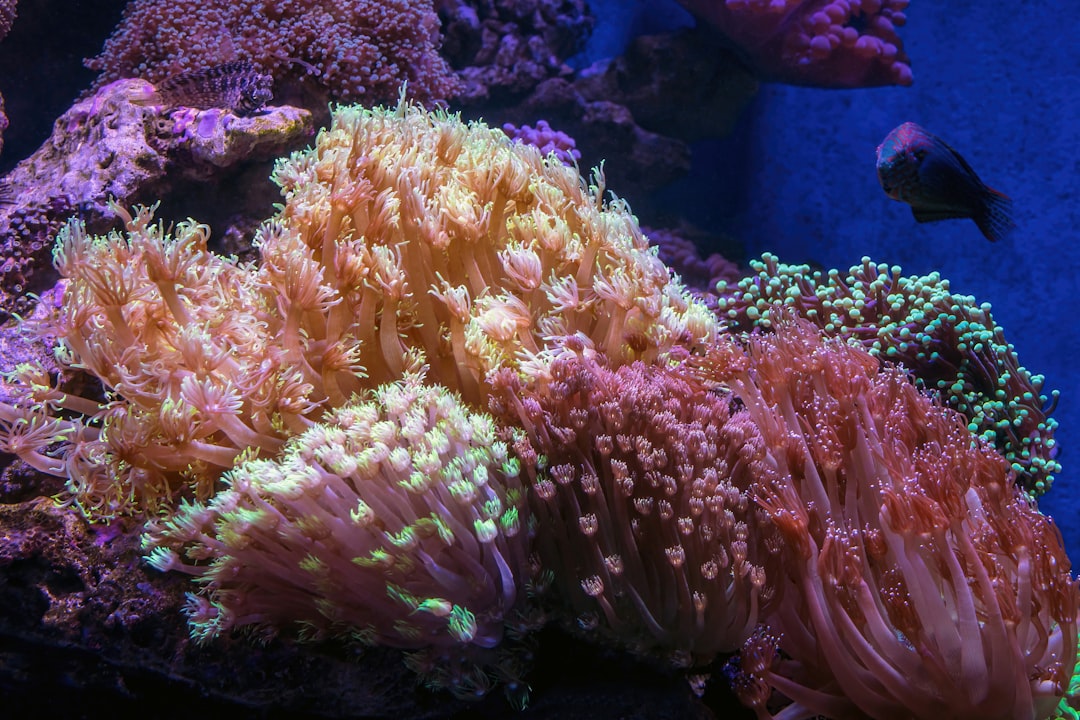
Photo by David Clode on Unsplash
Livestock health note: Improper acclimation is a leading cause of stress-related death in marine fish and soft tissue damage in corals. If a fish shows labored breathing, erratic swimming, or refuses to right itself during acclimation, stop the process and consult a local fish store or aquarium specialist before proceeding.
Why Acclimation Matters for Reef Fish and Corals
Saltwater fish and corals are far more sensitive to parameter swings than freshwater species. Marine fish have evolved in environments where salinity, temperature, and pH are stable for months at a time. Shipping and transport expose them to temperature drops, pH swings from CO2 buildup in the bag, and oxygen depletion.
A sudden transfer into even a perfectly maintained tank can cause osmotic shock - a condition where cells rapidly lose or gain water due to a salinity mismatch. According to NOAA’s Ocean Service, coral reef ecosystems depend on stable, consistent water conditions - the same principle applies to the fish and invertebrates living in your reef.
Corals face a different set of risks during introduction: tissue recession, bleaching, and polyp closure. Moving slowly through the acclimation process gives their zooxanthellae a chance to stabilize under new lighting and flow conditions before the coral is expected to settle.
How to Acclimate Fish to a Reef Tank
The drip acclimation method is the standard for saltwater fish. Float acclimation, the method described on most livestock bags, is not adequate for reef fish. It only equalizes temperature, not salinity or pH.
Here is the process we use:
Float the bag first. Place the sealed bag in your sump or a separate container and let it float for 15-20 minutes. This brings the water inside to tank temperature without exposing the fish to your display tank parameters yet.
Set up the drip line. Tie a loose knot in a length of airline tubing to create a slow drip, and siphon water from your display tank or sump into a clean bucket or container holding the opened bag water. The target flow is 2-3 drips per second. A simple valve-equipped airline setup gives you more precise control than a knotted line.
Run the drip for 45 to 90 minutes. For hardy fish like clownfish or damsels, 45 minutes is often sufficient. For sensitive fish - wrasses, tangs, anthias - run the drip for the full 90 minutes. The goal is to roughly double the volume of water in the container before netting the fish.
Net, don’t pour. When acclimation is complete, net the fish and transfer it directly to the tank. Do not pour the bag water into your display tank. It may carry disease, parasites, or low-quality water from the shipping process.
Treat the acclimation water. We add a small dose of Seachem Prime to the acclimation container water to neutralize any ammonia that may have built up during shipping. Prime is reef safe at normal doses and gives sensitive fish additional protection during the transfer.
How to Acclimate Corals Safely
Corals tolerate the drip method as well, but the process is somewhat more forgiving than with fish. Temperature equalization and a pre-placement dip are the two most important steps.
Float and drip. Same as with fish - float the bag for 15-20 minutes, then run a slow drip for 30-45 minutes. Corals are less sensitive to pH swings than fish, but temperature shock can cause immediate bleaching in even tolerant species.
Dip every coral before it enters the tank. This is non-negotiable in our experience. Every frag or colony that comes from an outside source can carry pests - flatworms, montipora-eating nudibranchs, red bugs, or aiptasia hitchhikers. A dip before placement gives you a chance to catch and remove pests before they enter your system.
We use Coral RX Pro as our standard dip solution. Mix according to label directions (typically 1 mL per liter of tank water), place the coral in the dip for 10-15 minutes, and gently agitate the water to dislodge anything that flees the coral. Inspect the bottom of the container afterward - pest flatworms will often drop and try to hide.
Rinse and place. After dipping, rinse the coral briefly in a small container of clean tank water before placing it in the display. Avoid putting new corals directly under peak lighting. Give them a few days in lower flow and reduced light intensity before moving them to their permanent spot. For more detail on where to place corals once they’re settled, see our beginner coral care guide.
Using Kordon Bags for Local Pickups and Frag Swaps
If you’re picking up fish or frags locally from another hobbyist or a fish store, the quality of the transport bag matters more than most people realize. Thin bags allow temperature to drop faster and offer less oxygen buffer during transport.
Kordon Breathing Bags are a worthwhile investment if you do frequent local pickups or attend frag swaps. They allow gas exchange through the bag wall, which reduces CO2 buildup and helps maintain pH during transport. For longer drives, over an hour, they make a noticeable difference in fish condition on arrival.
If you’re getting fish from a store, ask them to double-bag with air or use a pure oxygen fill for any fish that will travel more than 30 minutes.
Common Acclimation Mistakes to Avoid When Introducing New Fish and Corals
Rushing the process. The most common mistake we see is cutting the drip time short because the fish looks fine. A fish can appear active while its internal chemistry is still catching up. Give the process its full time.
Pouring bag water into the tank. This introduces whatever the livestock was shipped in, including ammonia spikes, potential pathogens, and bag additives you may not want in your system.
Skipping the coral dip. Every coral that bypasses a dip is a potential vector for pests. It takes one flatworm to start a population that can strip a frag rack in weeks.
Introducing new fish into a high-stress environment. If you have aggressive fish already in the tank, add new fish after lights-out when territories are less actively defended. Rearranging a few rocks before introduction can also disrupt established territories and reduce early aggression.
Ignoring pH shift when opening the bag. CO2 from the animal’s respiration acidifies the bag water over time. When the bag is opened, pH rises rapidly. This can cause ammonia, mostly non-toxic in acidic water, to become suddenly harmful. Drip acclimation neutralizes this gradually rather than all at once.
What to Watch in the First 48 Hours After Introduction
Once your new fish or coral is in the tank, the first 48-72 hours are the most critical.
For fish, watch for labored breathing, unusual swimming behavior such as listing or hanging at the surface, or refusal to eat within 24 hours. A small amount of hiding is normal. Giving new fish places to shelter during the introduction period helps them settle faster and reduces harassment from established tankmates.
For corals, watch for extended polyp closure lasting more than 24 hours, tissue recession from the base or edges, or color change toward pale white or yellow. Some polyp closure in the first day or two is normal - full recession from the base is a warning sign that something is wrong with placement or water quality.
If you see early signs of ich - white spots that look like grains of salt scattered on fins and body - isolate the affected fish immediately. Treating ich in a display reef is significantly harder than catching it early in a quarantine tank. For more on keeping your tank stable and healthy, see our reef tank setup guide for beginners.
Recommended Products
- Seachem Prime 500mL - Reef-safe water conditioner and ammonia detoxifier for use in acclimation water
- Coral RX Pro Coral Dip - Broad-spectrum coral dip for pest removal before tank introduction
- Kordon Breathing Bags - Gas-permeable bags for local livestock transport that maintain oxygen levels during travel
As an Amazon Associate we earn from qualifying purchases at no extra cost to you.
Bookmark this guide and check out our beginner coral care guide for help choosing and placing your first corals once they’re acclimated.