Reef Tank Setup for Beginners: Everything You Need to Know
This post contains affiliate links. As an Amazon Associate, I earn from qualifying purchases at no extra cost to you.
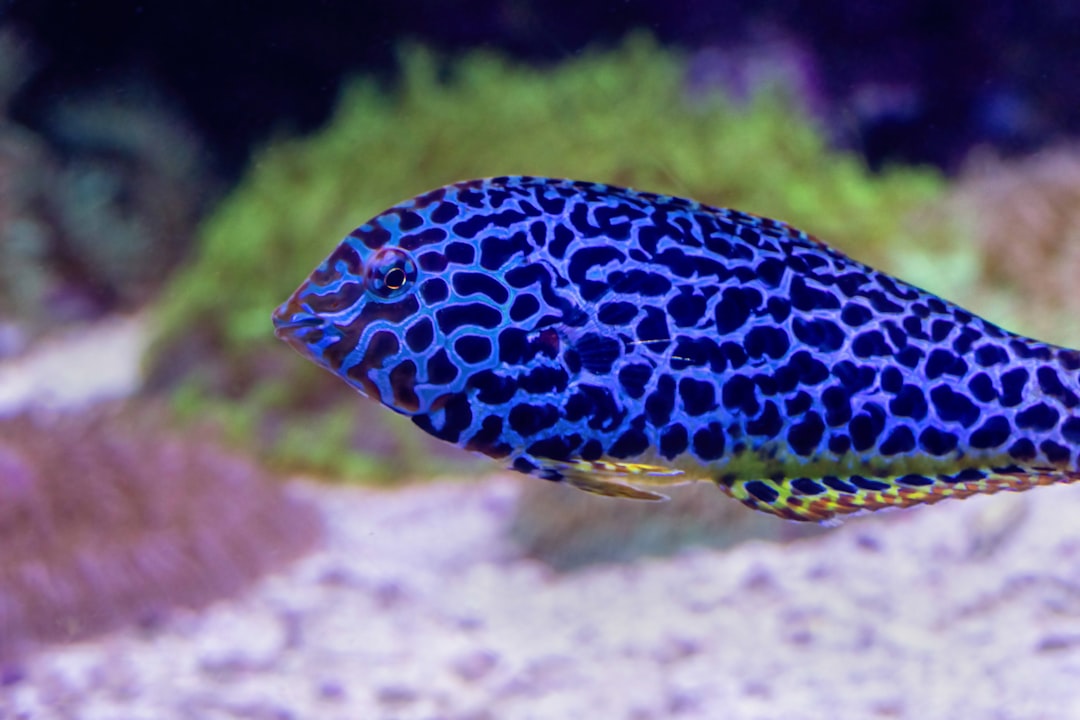
Photo by David Clode on Unsplash
Why a Reef Tank Is Worth the Effort
A reef tank is not the easiest aquarium to keep, but it is one of the most rewarding. You are recreating a slice of the ocean inside a glass box - complete with living coral, diverse fish, and invertebrates that interact in ways freshwater tanks simply cannot match. If you are willing to learn the fundamentals and resist the urge to rush, a reef tank can be stable, beautiful, and genuinely low-maintenance once it matures.
This guide covers everything you need to get started: choosing the right tank size, understanding the nitrogen cycle, stocking sensibly, and avoiding the mistakes that end most beginner reef tanks in the first six months.
Choosing Your First Reef Tank
Tank Size
Bigger tanks are more forgiving because water parameters change more slowly. A 40-gallon breeder or a 50-gallon rimless is a strong starting point. Nano tanks under 20 gallons can work but demand daily attention and are unforgiving of missed water changes or equipment failures.
Avoid anything under 10 gallons for your first reef. Temperatures spike fast, parameters crash overnight, and livestock options are extremely limited.
Sump vs. No Sump
A sump is a secondary tank plumbed below your display tank that houses equipment like your protein skimmer, heater, and refugium. It adds total water volume, keeps equipment out of the display, and makes maintenance easier.
For beginners, an all-in-one (AIO) tank that has a built-in back compartment is a good compromise. It gives you some equipment space without the complexity of drilling and plumbing a separate sump.
Essential Equipment
Lighting drives coral growth and coloration. For a fish-only or beginner reef with soft corals, a quality LED like the Kessil A160WE or the AI Prime HD covers a 24-inch footprint well. LPS and SPS corals need higher par values and more advanced lighting.
Return pump and powerheads move water through your system and create the flow that corals need. A total turnover of 20–30x your display volume per hour is a reasonable starting target for soft coral and LPS tanks.
Protein skimmer pulls dissolved organic compounds out of the water before they break down into nitrates. Even a mid-range skimmer like the Reef Octopus Classic 100 makes a noticeable difference in water clarity and stability.
Heater should be quality and sized for your tank. Two smaller heaters running in parallel is safer than one large heater - if one fails open (stuck on), it cannot cook your tank alone.
The Nitrogen Cycle: Do Not Skip This
The nitrogen cycle converts toxic ammonia (from fish waste and decaying matter) into nitrite, then into the less harmful nitrate. Your tank needs a colony of beneficial bacteria to do this, and that colony takes three to six weeks to establish in a new tank.
How to Cycle
The simplest method for reef tanks:
Add live rock or dry rock seeded with bottled bacteria. Dose ammonia to 2 ppm daily for two weeks. Test every two days. When ammonia and nitrite both read zero within 24 hours of dosing ammonia, your cycle is complete.
Do not add fish or coral until the cycle finishes. This is the single most common mistake new hobbyists make.
Water Parameters to Maintain
Once cycled, the core parameters to monitor weekly are:
Salinity should sit between 1.025 and 1.026 specific gravity (35 ppt). Temperature should stay between 76 and 78 degrees Fahrenheit. Alkalinity (dKH) should be between 8 and 10. Calcium should be 380 to 450 ppm. Magnesium should be 1250 to 1350 ppm. Nitrate should be under 20 ppm for fish-only, under 5 ppm for a mixed reef.
A basic test kit covering ammonia, nitrite, nitrate, pH, and salinity gets you started. Add an alkalinity and calcium test once you start keeping coral.
Your First Livestock
Start with a cleanup crew before adding fish: a handful of hermit crabs, turbo snails, and a couple of nassarius snails will handle algae and detritus as your tank matures.
For fish, hardy beginner choices include the ocellaris clownfish, the royal gramma, the tailspot blenny, and the firefish goby. Add fish one at a time and wait two to four weeks between additions. Overstocking is a leading cause of parameter crashes in new tanks.
For coral, start with soft corals: mushrooms, zoanthids, and leather corals tolerate a wide range of parameters, grow quickly, and forgive beginner-level fluctuations that would kill an SPS frag.
Bulk Reef Supply’s beginner reef tank guide series is one of the most complete free educational resources in the hobby.
FAQ
How long does it take to set up a reef tank? Allow three to six weeks for the nitrogen cycle before adding livestock. Budget two to three hours for the initial build day.
Do I need a protein skimmer? It is not strictly required, but highly recommended. Without a skimmer you need to be more disciplined about water changes and feeding.
Can I use tap water for a reef tank? No. Tap water contains chlorine, chloramines, phosphate, and other compounds that cause algae blooms and harm coral. Use RODI (reverse osmosis, deionized) water exclusively.
What is the cheapest way to start a reef tank? Buy used equipment from local reef clubs or Facebook groups. A used AIO tank, a secondhand LED, and a basic skimmer can get you started for 40 to 60 percent less than buying new.
How often do I need to do water changes? A 10 to 15 percent weekly water change is a solid standard for a new reef. Some mature tanks can go biweekly, but consistency matters more than volume.
Related Reading
Once your tank is set up, your next step is the nitrogen cycle. Read our Aquarium Cycling Guide before adding any livestock.
Recommended Products
Here are a few products to help with what we covered in this guide: