Live Rock in a Reef Tank: What It Does and How to Choose It
This post contains affiliate links. As an Amazon Associate, I earn from qualifying purchases at no extra cost to you.
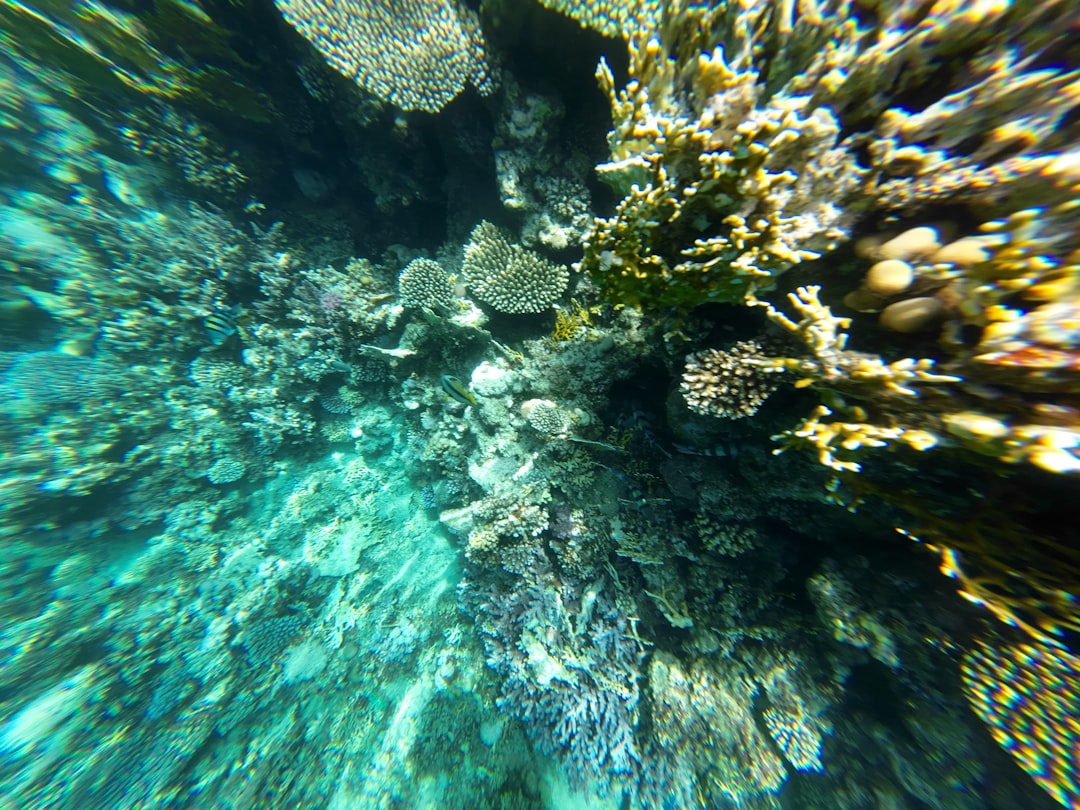
Photo by Raimond Klavins on Unsplash
What Live Rock Actually Does
Live rock is not just decoration. It is the biological filtration engine of your reef tank. The porous surface area inside and outside the rock hosts the bacteria colonies that run your nitrogen cycle - converting ammonia to nitrite and nitrite to nitrate. Deeper inside the rock, in low-oxygen zones, different bacteria reduce nitrate to harmless nitrogen gas through a process called denitrification.
A well-built live rock structure does in a reef tank what a large canister filter does in a freshwater setup, except it works passively, looks natural, and provides shelter for your livestock.
Live Rock vs. Dry Rock
Live rock is harvested from the ocean or aquacultured and arrives teeming with bacteria, coralline algae, and sometimes bonus hitchhikers like small feather dusters, sponges, or tiny crabs. It seeds your tank quickly but can also introduce pests like aiptasia anemones, mantis shrimp, or flatworms.
Dry rock is dead - no bacteria, no pests. It takes longer to cycle but is a clean slate. You can seed it with a bottle of live bacteria or add a small amount of cured live rock to kickstart colonization.
For beginners, a hybrid approach works well: mostly dry rock for the structure, with a small piece or two of live rock from a trusted source to seed the bacteria.
How Much Rock Do You Need
The old rule of one to two pounds per gallon came from dense, heavy Fiji rock. Modern aquacultured and man-made reef rock is lighter and more porous, so weight is a poor guide.
A better target: enough rock to fill roughly 15 to 20 percent of your display tank’s volume, arranged to allow strong flow throughout the structure. Dead spots behind solid rock walls accumulate detritus and breed nuisance algae.
Popular Rock Types
Fiji and Tonga live rock - classic ocean-collected rock, irregular shapes, fast seeding. Risk of pests.
Aquacultured live rock - grown on frames in the ocean or in tanks. Lower pest risk than wild-collected, still biologically active. Brands like Walt Smith Aquacultured Rock are popular in the hobby.
Reef Saver dry rock - lightweight, extremely porous, pale white. No pests, no bacteria. Takes patience to cycle but aquascapes beautifully. Available from BRS (Bulk Reef Supply).
CaribSea Life Rock - dry rock with a natural purple tint from added aragonite. Designed to look like established reef rock out of the box.
Aquascaping Principles
Leave the Back Open
Many beginners push rock all the way to the back glass. This kills flow behind the structure, traps waste, and makes maintenance harder. Leave two to three inches between your rock and the back wall.
Build Islands, Not Walls
A solid wall of rock running the length of your tank creates flow dead zones and looks unnatural. Aim for two or three islands of rock with open sand between them. This mirrors how corals grow on a natural reef.
Brace for the Future
If you plan to keep heavy stony corals, build a rock structure that can support the weight without shifting. Some hobbyists epoxy or use aquarium-safe cement to lock base rocks in place before adding water.
Maximize Surface Area
More irregular, holey rock means more surface area for bacteria and more attachment points for coral. Tall, branching structures also improve flow circulation through the rock.
Curing Live Rock
If you buy raw live rock from an online vendor, it needs to be cured before going into your display tank. Dead or dying organisms on uncured rock will spike ammonia hard.
To cure: place rock in a separate container with saltwater and a powerhead, do daily water changes, and scrub off any obviously dead material. After one to two weeks with stable, low ammonia readings, it is ready.
NOAA’s guidelines on sustainable live rock collection are worth reading to understand why aquacultured and maricultured rock is increasingly preferred by conscientious hobbyists.
FAQ
Can I use beach rocks or river rocks in a reef tank? No. Non-marine rock can leach minerals and metals into the water at unpredictable rates. Use only rock sold specifically for reef aquariums.
Does live rock need light? The bacteria on live rock do not need light, but coralline algae (the pink and purple encrusting growth on established rock) does. Under good reef lighting, coralline spreads to cover the rock over several months.
How do I deal with aiptasia that came in on live rock? Aiptasia are invasive pest anemones that can appear on live rock. Peppermint shrimp eat them naturally, or you can use a commercial treatment like Aiptasia-X to target individual anemones.
How long before dry rock becomes fully colonized? With a bottled bacteria product and a proper cycle, dry rock can be biologically active enough for livestock in four to six weeks. It continues to develop and improve for several months after that.
Should I rinse live rock before adding it to my tank? Give it a quick rinse in saltwater (not fresh water, which will kill the bacteria), but do not scrub it. You want to preserve the biological life on the surface.
Related Reading
Once your rock is placed and cured, start your cycle. See our Aquarium Cycling Guide for the full process.
Recommended Products
Here are a few products to help with what we covered in this guide: