Saltwater Tank Cycling With Fish: What You Need to Know Before You Try It
This post contains affiliate links. As an Amazon Associate, I earn from qualifying purchases at no extra cost to you.
Cycling a saltwater tank with fish is one of those topics that divides the hobby. Some hobbyists swear by it, others consider it irresponsible. The truth is somewhere in the middle: fish-in cycling is possible, but it demands close attention, the right fish, and a willingness to intervene the moment parameters start trending dangerous.
This guide covers the full fish-in cycling process for saltwater tanks, when it makes sense to use it, and how to give your fish the best chance of making it through with minimal stress.
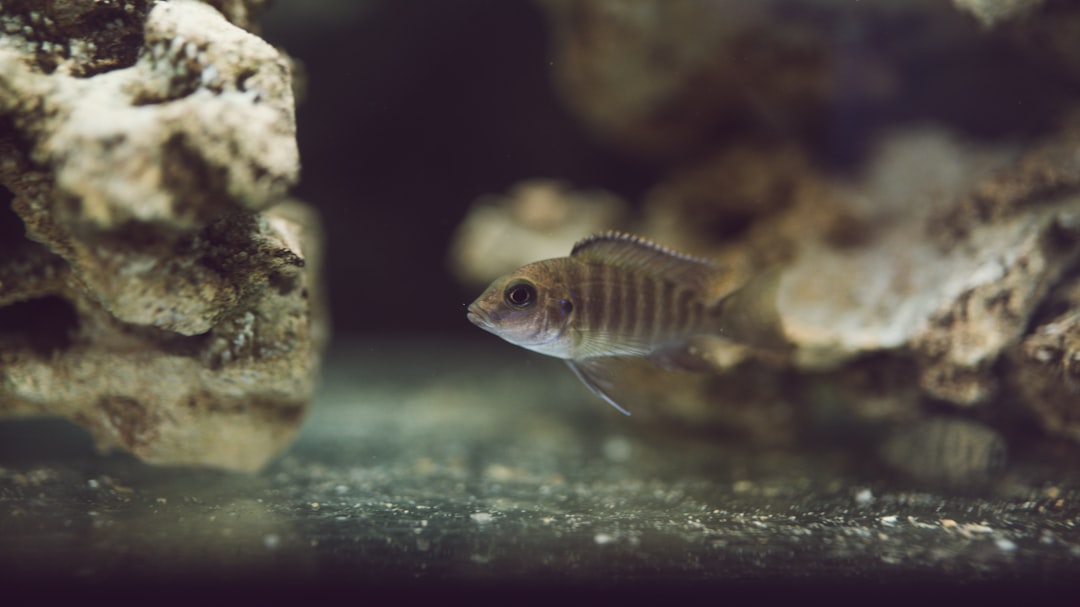
Photo by Arseny Togulev on Unsplash
What Is Fish-In Cycling?
A new saltwater tank has no established beneficial bacteria. These bacteria, primarily Nitrosomonas and Nitrospira species, convert toxic ammonia into nitrite, then into the much less harmful nitrate. Without them, ammonia builds up rapidly and causes gill damage, immune suppression, and death.
Fish-in cycling uses the fish themselves as the ammonia source. It works, but it exposes fish to ammonia and nitrite spikes that cause real stress. The key is keeping those levels from reaching truly dangerous concentrations through daily testing and timely water changes.
When Fish-In Cycling Makes Sense
There are legitimate situations where this approach fits: you received fish unexpectedly before your tank was ready, or you want to stock and cycle simultaneously without running a fishless setup for weeks. Having access to seeded live rock or established filter media also changes the equation, since it can compress the cycle dramatically and reduce the stress window.
What fish-in cycling is not: a shortcut. The nitrogen cycle still has to happen. You are just asking fish to endure it rather than using pure ammonia or raw shrimp as your source.
Choosing the Right Fish
Not every saltwater fish can tolerate the water quality swings of a new tank. Your cycling fish should be proven hardy, tolerant of fluctuating parameters, and ideally a species you plan to keep long-term.
Ocellaris Clownfish are the classic choice. Tank-raised individuals are especially resilient and adapt well to varied conditions. A single ocellaris generates enough ammonia to seed bacteria without overwhelming a new system.
Damselfish are legendary for their toughness. Blue-green chromis or three-stripe damsels can handle ammonia spikes that would kill more sensitive species. The trade-off is potential aggression as the tank matures.
Royal Grammas are a step up in sensitivity compared to damsels but still reasonably hardy, and they stay small with minimal long-term behavior issues.
Avoid any species requiring pristine water: mandarins, seahorses, anthias, or large angelfish. Never cycle with expensive or rare livestock.
Supplies You Need Before You Start
Going in without the right tools means flying blind.
Liquid test kit for ammonia, nitrite, nitrate, and pH. Strips are not reliable enough. You need these numbers every day during the active cycle.
Ammonia detoxifier. Seachem Prime Water Conditioner neutralizes ammonia and nitrite temporarily without interfering with bacterial colonization. This is your emergency lever when levels spike.
A reliable refractometer. Salinity swings compound stress during cycling. Keep specific gravity stable at 1.025 to 1.026. Milwaukee MA887 Refractometer is an affordable and accurate option that holds calibration well.
Pre-mixed saltwater. You will be doing frequent partial water changes, so having clean saltwater ready to go matters.
The Fish-In Cycling Process
Step 1: Stabilize Before Adding Fish
Run your tank for 24 to 48 hours before adding livestock. Verify salinity, temperature (77 to 79 degrees Fahrenheit), and pH (8.1 to 8.3). Fix equipment issues before anything living enters the water.
Step 2: Add One or Two Hardy Fish
Start with the minimum. One or two small fish generate enough ammonia to feed developing bacteria without immediately overwhelming the system. Acclimate them properly: match temperature first, then do a slow drip or floated bag with gradual water exchanges.
Step 3: Test Daily and Log Results
This is non-negotiable. Test ammonia and nitrite every day during the first four to five weeks. The typical progression:
- Weeks 1 to 2: Ammonia rises, often reaching 0.5 to 2.0 ppm as waste accumulates.
- Weeks 2 to 3: Nitrite appears as ammonia-processing bacteria establish. Ammonia begins to fall.
- Weeks 3 to 4: Nitrate appears. Nitrite rises, then falls as nitrite-processing bacteria establish.
- Weeks 4 to 5: Both ammonia and nitrite read 0. Nitrate is present. Cycle is complete.
Step 4: Intervene When Parameters Spike
If ammonia or nitrite exceeds 1.0 ppm, act immediately. A 25 to 30 percent water change dilutes the toxins. Follow with a dose of ammonia detoxifier.
Signs of ammonia stress: rapid gill movement, lethargy, clamped fins, loss of appetite, or hovering near the surface. Any of these means water quality has crossed into dangerous territory.
Step 5: Feed Sparingly
Uneaten food decays and spikes ammonia well beyond what the fish alone produce. Feed every other day or every third day during the cycle. A small pinch that disappears within two minutes is enough.
Step 6: Confirm the Cycle Is Complete
Run two to three consecutive days of zero ammonia and zero nitrite readings with fish present. Once confirmed, do a 30 to 40 percent water change to bring nitrate down before adding more livestock.
Speeding Up the Cycle
Bottled bacteria products have improved significantly. Fritz Aquatics TurboStart 700 Saltwater contains live nitrifying bacteria and can cut cycle time to one to two weeks in some cases. Add it directly onto live rock or into the filter after temperature and salinity are stable.
Live rock from an established system is even more effective. A few pounds of genuinely live rock can seed a new tank and make fish-in cycling far less stressful on your livestock.
Monitoring Beyond Ammonia and Nitrite
pH can drop during a cycle as organic acids accumulate. Below 7.8, bacterial activity slows and fish stress increases. Additional surface agitation or a small buffer dose helps. Temperature consistency also matters more than the exact number: swings of more than two degrees in 24 hours both stress fish and slow bacterial growth. Check that your heater is reliable and not creating hot spots.
After the Cycle: Stock Slowly
A cycled tank is sized to its current bio-load. Adding too many fish at once overwhelms the bacterial colony and triggers a mini-cycle. Add one or two fish at a time, wait three to four weeks between additions, and test parameters after each new arrival. This patience pays off with a stable, healthy display for years.
Bulk Reef Supply’s comparison of fishless vs fish-in cycling methods includes timelines and test result examples from real tanks.
FAQ
Is fish-in cycling harmful to fish? It causes measurable stress and carries real risk if not managed carefully. With daily testing and prompt intervention, the risk stays low. Fishless cycling or seeded media eliminates the concern entirely if you prefer not to put fish through the process.
How long does fish-in cycling take in saltwater? Typically four to eight weeks, depending on temperature, ammonia production, and whether you use bacterial supplements or seeded live rock. Warmer water around 80 degrees Fahrenheit speeds up bacterial growth modestly.
Can I add corals during a fish-in cycle? Wait until the cycle is complete. Most invertebrates, including snails and hermit crabs, are very sensitive to ammonia and should not be added until parameters have been stable for several days.
What if my fish dies mid-cycle? Remove the body immediately to prevent an extra ammonia spike. Add a few ppm of pure ammonia or a small piece of raw shrimp to keep feeding the bacterial colony while you decide on a replacement.
Should I run a protein skimmer during cycling? You can, but turning it down slightly during the first week lets ammonia build up enough to seed bacteria efficiently. After week one, running the skimmer normally helps export organics and keeps water quality more manageable for the fish.
Related Reading
For a comparison of all cycling methods, see our Aquarium Cycling Guide which covers fishless, ammonia dosing, and live rock approaches.
Recommended Products
Here are a few products to help with what we covered in this guide: