How to Set Up a Refugium for Your Reef Tank
This post contains affiliate links. As an Amazon Associate, I earn from qualifying purchases at no extra cost to you.
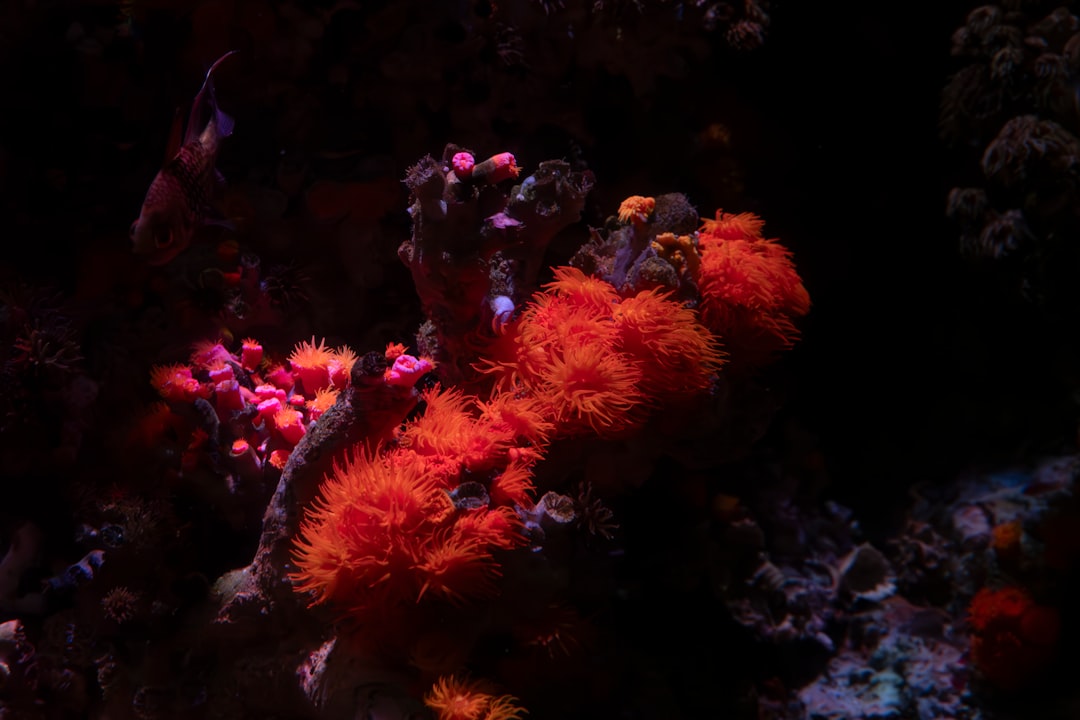
Photo by Hoyoun Lee on Unsplash
What a Refugium Does for a Reef Tank
A refugium is a separate compartment - usually housed in your sump - that runs in parallel with your main display tank. It serves several functions that directly improve your reef tank’s health.
Nutrient export is the primary purpose. Fast-growing macroalgae like chaeto (Chaetomorpha) and gracilaria absorb nitrate and phosphate as they grow. When you harvest the algae and discard it, those nutrients leave the system permanently. This is one of the most effective and natural methods of nutrient control available to reef keepers.
Copepod production - the refugium becomes a protected breeding ground for copepods, amphipods, and other microfauna. These tiny crustaceans are the natural food of mandarin dragonets and many other fish. They also serve as a constant source of live food that stimulates hunting behavior in finicky eaters.
pH stabilization - running your refugium on a reverse light schedule (lights on at night, when display tank lights are off) allows photosynthesis in the refugium to consume CO2 while the display tank is respiring and adding it. This buffers the natural pH swing that occurs in reef tanks through the day-night cycle.
Refugium Location Options
In-Sump Refugium
The most common setup: a dedicated compartment in your sump, typically the middle section between the return and skimmer chambers. This is plumbed in line with your existing sump and requires no additional equipment beyond a refugium light.
Hang-on-Back Refugium
A small HOB refugium (like the CPR AquaFuge series) clips onto the back of your display tank or sump and runs macroalgae in a separate container. Good for smaller systems without a sump.
Separate Tank
For large systems or dedicated macroalgae cultivation, a completely separate tank plumbed into the system offers the most space and control. Usually only practical for tanks 100 gallons and larger.
Choosing Macroalgae
Chaetomorpha (chaeto) is the gold standard refugium algae. It grows as a loose, tangled mass of filaments that cannot go sexual and crash (a failure mode of some other algae species). It tumbles in flow, exposing all surfaces to light. It is easy to find, easy to grow, and easy to harvest by pulling out handfuls.
Gracilaria (dragon tongue algae) grows faster than chaeto under strong light, provides excellent nutrient export, and is a preferred food source for tangs and other herbivores.
Caulerpa species grow very fast but can go sexual (suddenly releasing reproductive cells into the tank), crashing the colony and flooding your display with nutrients. Avoid caulerpa taxifolia specifically. Caulerpa prolifera is more stable but still carries some risk.
For most refugiums, chaeto is the right answer.
Lighting Your Refugium
Macroalgae needs moderate to strong light to grow vigorously. A refugium growing chaeto needs roughly 50 to 150 PAR at the algae surface.
Dedicated refugium lights like the Kessil H380 or the AI Fuge are specifically designed for this purpose. They provide spectrum tuned to algae growth and are a direct recommendation for most reef setups.
Budget option: a basic LED grow light with decent blue/red spectrum from any hydroponic supply store works adequately for chaeto cultivation at a fraction of the cost.
Run your refugium light on a timer set to the opposite schedule of your display tank - on at night, off during the day.
Flow Rate
Chaeto prefers enough flow to keep it gently tumbling - approximately 5 to 10 times refugium volume per hour. Too much flow blasts it against screens and inhibits growth. Too little and it compacts and the interior dies off.
A small refugium powerhead or a dedicated branch from your return pump provides appropriate flow.
Harvesting
Harvest chaeto when it fills roughly 75 percent of the refugium volume. Pull out half to two-thirds of the mass and discard it. Do not harvest everything - leaving a healthy mass maintains the copepod population and keeps the nutrient export going without interruption.
Dr. Walter Adey’s pioneering work on algae turf scrubbers and refugium biology is summarized in accessible form at Advanced Aquarist.
FAQ
Do I need a refugium on a reef tank? It is not mandatory but is one of the highest-value additions you can make to a reef system. Even a small refugium growing chaeto makes a measurable difference in nitrate and phosphate levels.
Can I run a refugium without a sump? Yes. Hang-on-back refugiums attach directly to your tank. They are smaller and less effective than in-sump refugiums but still provide meaningful benefit.
Why is my chaeto not growing? The most common causes are insufficient light, insufficient nutrients (in very low-nutrient tanks, chaeto can starve), and pH below 7.8. Also check that flow is adequate to keep it tumbling.
Can chaeto go sexual and crash like caulerpa? No. Chaeto does not reproduce sexually in the same way that caulerpa does. It is one of the key advantages of chaeto over other macroalgae options.
How often should I harvest chaeto? When it fills about three-quarters of the refugium space, harvest half. This typically means every two to four weeks depending on how fast your particular system grows it.
Related Reading
A refugium needs a proper sump to sit in. If you haven’t set yours up yet, start with our Sump Setup Guide.
Recommended Products
Here are a few products to help with what we covered in this guide: