Beginner Coral Care: The Best Starter Corals and How to Keep Them Alive
This post contains affiliate links. As an Amazon Associate, I earn from qualifying purchases at no extra cost to you.
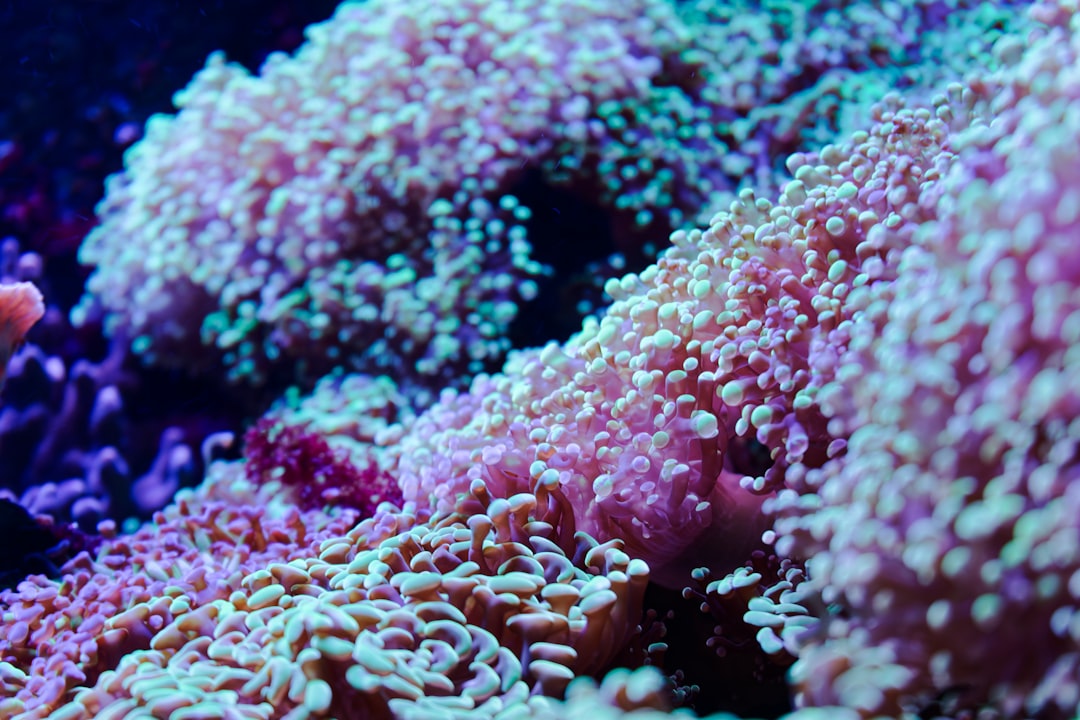
Photo by Mario Dominguez on Unsplash
Why Coral Selection Matters More Than Technique
The most common reason beginner corals die is a mismatch between what the coral needs and what the tank provides. A beginner reef tank in its first year has fluctuating parameters, inconsistent lighting, and a developing biology. The goal is to choose corals that are naturally tolerant of that variability - not corals that need a pristine, dialed-in system.
Get the selection right and coral care becomes simple. Get it wrong and even perfect technique will not save you.
The Beginner Tier: Soft Corals
Soft corals do not build a calcium carbonate skeleton like stony corals. They grow faster, adapt to a wider range of parameters, and recover from stress more readily.
Mushroom Corals (Discosoma, Rhodactis, Ricordea)
Mushroom corals are arguably the most forgiving coral in the hobby. They grow in low to moderate light (50 to 150 PAR), tolerate elevated nitrate and phosphate that would bleach SPS corals, and reproduce readily through budding. A single mushroom purchased for a few dollars can become a colony covering a rock in under a year.
Discosoma mushrooms are the most common and the most tolerant. Rhodactis and Ricordea are slightly more demanding but still solidly beginner-friendly.
Zoanthids and Palythoa
Zoanthids are colonial polyps that come in an extraordinary range of colors. They grow in clusters, spread across rock surfaces, and are highly tolerant of imperfect conditions. They prefer moderate light and moderate flow.
Handle palythoa with gloves - some species contain palytoxin, a potent compound that can cause serious illness if it enters the bloodstream through a cut or reaches your eyes. This sounds alarming but is a minor precaution, not a reason to avoid them.
Leather Corals (Toadstool, Finger Leather, Sinularia)
Leather corals are large, architectural soft corals that add significant structure to a tank. The toadstool leather is particularly hardy and can grow to twelve inches or more across in a mature tank. They periodically shed a waxy coat and close up for several days - this is normal, not a sign of distress.
Moving Up: Beginner LPS
Once your tank has been running six months or longer with stable parameters, easy LPS corals become accessible.
Hammer and Torch Corals (Euphyllia)
Euphyllia corals are among the most popular LPS species. They have long, flowing tentacles that give a dramatic, animated look to the tank. They prefer moderate light and moderate flow. They are aggressive - their sweeper tentacles can sting neighboring corals - so give them space.
Clownfish often host in Euphyllia, which looks spectacular but can occasionally stress the coral.
Bubble Coral (Plerogyra)
Bubble coral inflates to a puffy, rounded shape during the day and retracts to reveal skeletal ribs at night. It is peaceful and low-maintenance. Keep it in low-to-moderate flow (high flow can tear the inflated bubbles) and feed it meaty foods like mysis shrimp weekly.
Acclimation and Placement
Drip acclimate new coral to your tank’s salinity and temperature over 30 to 45 minutes. Place new frags in moderate light in the middle of the tank and give them two to four weeks before moving them. Corals need time to adjust to new lighting conditions regardless of their species.
Do not place new coral near established coral that may sting it. Coral warfare is a real issue in reef tanks - most soft corals and LPS release chemicals into the water that inhibit the growth of competing species.
Feeding Coral
Soft corals and mushrooms derive most nutrition from light and absorb dissolved organics passively. Target feeding is optional but accelerates growth.
LPS corals benefit from target feeding two to three times per week. Mysis shrimp, reef roids, and similar fine particulate foods applied directly to open polyps at night (when tentacles are extended) give corals a significant nutritional boost. A coral feeding syringe makes this easy.
The Coral Research Foundation publishes helpful resources on coral biology that put the care requirements in practical context.
FAQ
What is the easiest coral for an absolute beginner? Discosoma mushrooms. They tolerate nearly any mistake, grow without special feeding, and cost almost nothing.
Do I need to dose calcium and alkalinity for soft corals? Not in most cases. Soft corals consume very little calcium. Regular water changes replenish the trace elements they need. You only need to dose calcium and alkalinity when keeping significant amounts of stony coral.
Why did my coral close up? Corals close for many reasons: water quality stress, flow changes, being touched, a nearby aggressive coral, shipping stress, or simply at night. If a coral stays closed for more than a week in otherwise good conditions, check your parameters.
How far apart should I space corals? Leave at least four to six inches between LPS corals and any neighbor. Soft corals that spread (mushrooms, zoanthids) need room to expand without overgrowing neighboring species.
Can I keep coral under normal LED strip lighting? Standard aquarium LED strips do not provide sufficient PAR or spectrum for coral. You need a purpose-built reef LED or T5 system.
Related Reading
Before adding corals, make sure your lighting is appropriate. Our Aquarium Lighting guide breaks down PAR requirements by coral type.
Recommended Products
Here are a few products to help with what we covered in this guide: